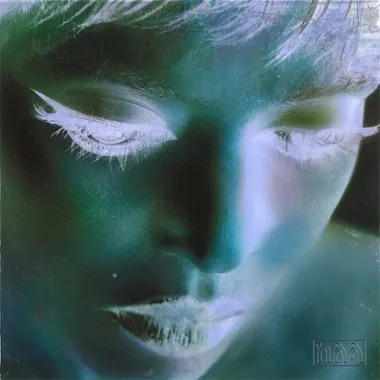

For years, Kalia Vandever's trombone stood on some of the biggest stages in pop, in the backing bands for Harry Styles and Japanese Breakfast, one voice inside someone else's sound. The Juilliard-trained composer led a jazz quartet on the side and built a parallel solo practice of trombone, pedals, and drone. But the turn that produced Mana, their debut for Chicago's International Anthem, happened somewhere much smaller: opening solo for a folksinger, playing to rooms that carried no jazz expectations at all, Vandever started trying out songs with words, songs they'd been too nervous to share. The audience leaned in. And so Mana became the first album on which Vandever sings.
The singing has a lineage, and it's the most beautiful thread in the record's story. Vandever's grandmother is the only singer in the family, the voice of Hawaiian folk songs across a whole childhood, and the album's title comes from that side of the family too: mana, in Hawaiian culture, is the divine strength that lives in beings, places, and objects, deepened, as Vandever writes in the liner notes, as you grow closer to your inner self, native land, and ancestral power. Even the track titles carry the inheritance. "Murmuray" is an Ilocano word for waking fully, the language of their maternal grandfather, and Vandever learned it when their grandmother used it to describe their voice on a phone call. A grandchild finds their singing voice; the grandmother, the family's only singer, names it in her own father's language. Some albums have concepts. This one has a bloodline.
The sound is solo trombone run through a carefully governed pedalboard and manipulated live, with spare piano surfacing as an anchor, brass stretched into weather. "Hubbard Road" opens the record with the horn full-bodied and pitch-shifted into chords of itself before two repeating piano triads set up a tension the improvising slowly unwinds. "Waiting" lets a wash of effects swallow the melodic call entirely, then Vandever's high, contemplative voice arrives inside the fog, and the ambient and dream-pop listeners among our readers will recognize the territory immediately and feel at home in it. "Murmuray" transforms from brass reverie into a droning hum of a tune a grandmother might carry through a kitchen, and the closer "Holding," Vandever's version of a breakup song, stacks suspended chords into a soft swarm beneath the plainest, most direct singing on the record. Seven tracks, and the words appear only where they're needed, which is exactly why they land.
Vandever has said the solo practice was born of curiosity, of wanting to interact with their own sound, and Mana is what that curiosity sounds like fully grown: jazz technique, ambient patience, and family memory in one unbroken tone. It arrives amid real momentum, with recent trips to Hawaii where, for the first time, the family that shaped the music got to hear it played.
The object matches the care. The LP is 140-gram vinyl in a heavyweight jacket with International Anthem's obi strip and a poly-lined inner sleeve, lacquers cut by Daniel K at SST, the Frankfurt vinyl-cutting studio, and pressed at Pallas in Germany, which is the good-paper-and-hand-pulled-screens tier of record manufacturing. And in a detail regular readers will enjoy: the label premiered the album by gathering fans for a listening party and playing it front to back before release, because International Anthem is exactly the kind of home that believes an album deserves a room's full attention.
Listen and buy: streaming everywhere, and on Bandcamp in lossless, LP, and CD direct from the label. Play it at the hour "Murmuray" was named for, first thing, fully awake.