Krautrock was never a scene so much as a dare. In West Germany in the late 1960s and early 1970s, a generation of musicians walked away from the blues roots and verse chorus structure of Anglo-American rock and built something stranger: hypnotic rhythms, long improvisations, tape edits and early synthesizers. British music journalists coined the name as a pejorative, and many of the artists hated it. Half a century later, the music it describes sounds like the blueprint for post-punk, electronic music and half of today's indie rock. These ten albums are the place to start.
Unknowndivide may earn a commission from purchases made through links in this guide. As an Amazon Associate we earn from qualifying purchases.
Can: Tago Mago (1971)
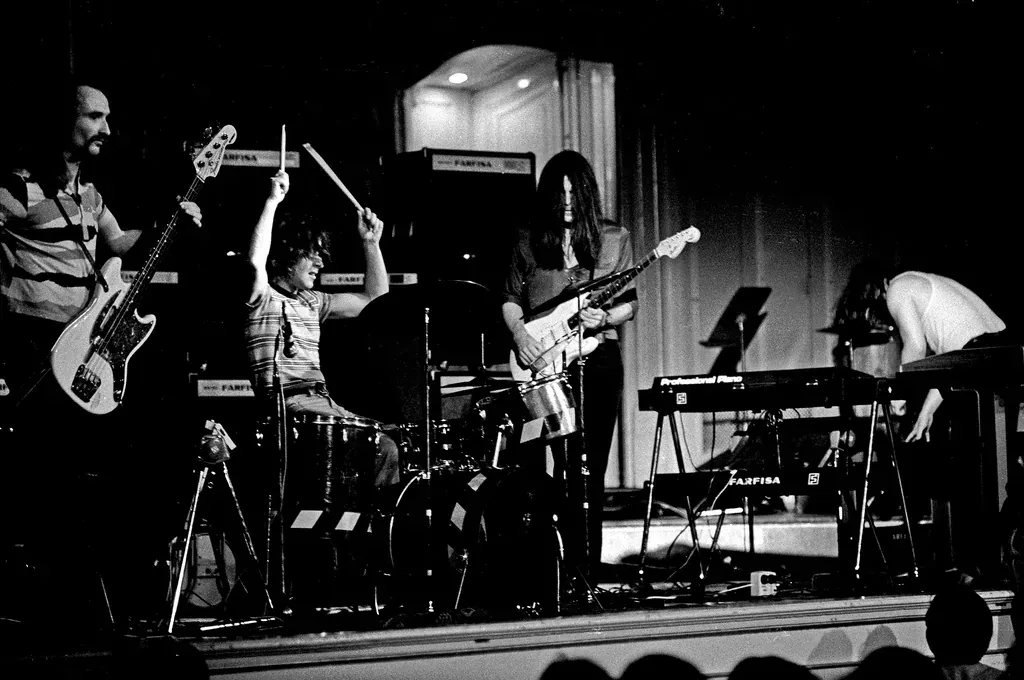
If krautrock has a summit, it is this double LP, released in August 1971 by United Artists. It was Can's first full album with vocalist Damo Suzuki and was recorded between November 1970 and February 1971 in Schloss Nörvenich, a medieval castle near Cologne. Long tracks fuse rock improvisation, funk rhythm and musique concrète tape editing, and the record has been called the band's best and most extreme. Start with "Halleluhwah" and let it run. The official Can site is run by Spoon Records, and the band's records are also available through Mute.
Can: Ege Bamyasi (1972)
The most approachable Can album, released in November 1972, is also one of the most danceable experimental records ever made. Its single "Spoon" reached the German top 10 after it was used as the theme for the television series Das Messer, and the money helped the band build their own Inner Space Studio in Weilerswist, where they finished the album under a strict June 1972 deadline. "Vitamin C," all taut drums and nervous bass, is the easiest way in.
Neu!: Neu! (1972)
Michael Rother and Klaus Dinger left Kraftwerk in 1971 and, working with producer Conny Plank, recorded this debut for Brain Records. Opening track "Hallogallo" is the defining example of the motorik beat, a steady, forward driving pulse that sounds like an open road. Largely ignored internationally on release, the album sold 35,000 copies in West Germany and has since become one of the most influential records of its decade. Rother's official site still documents his work.
Neu!: Neu! 75 (1975)
The duo's third album, released in February 1975 and recorded at Conny Plank's studio, is split down the middle. One side belongs to Rother's dreamy, ambient leaning compositions, the other to Dinger's ferocious proto-punk, with tracks like "Hero" that predict the next five years of British music. It is the best single document of the tension that made the band great.
Kraftwerk: Autobahn (1974)
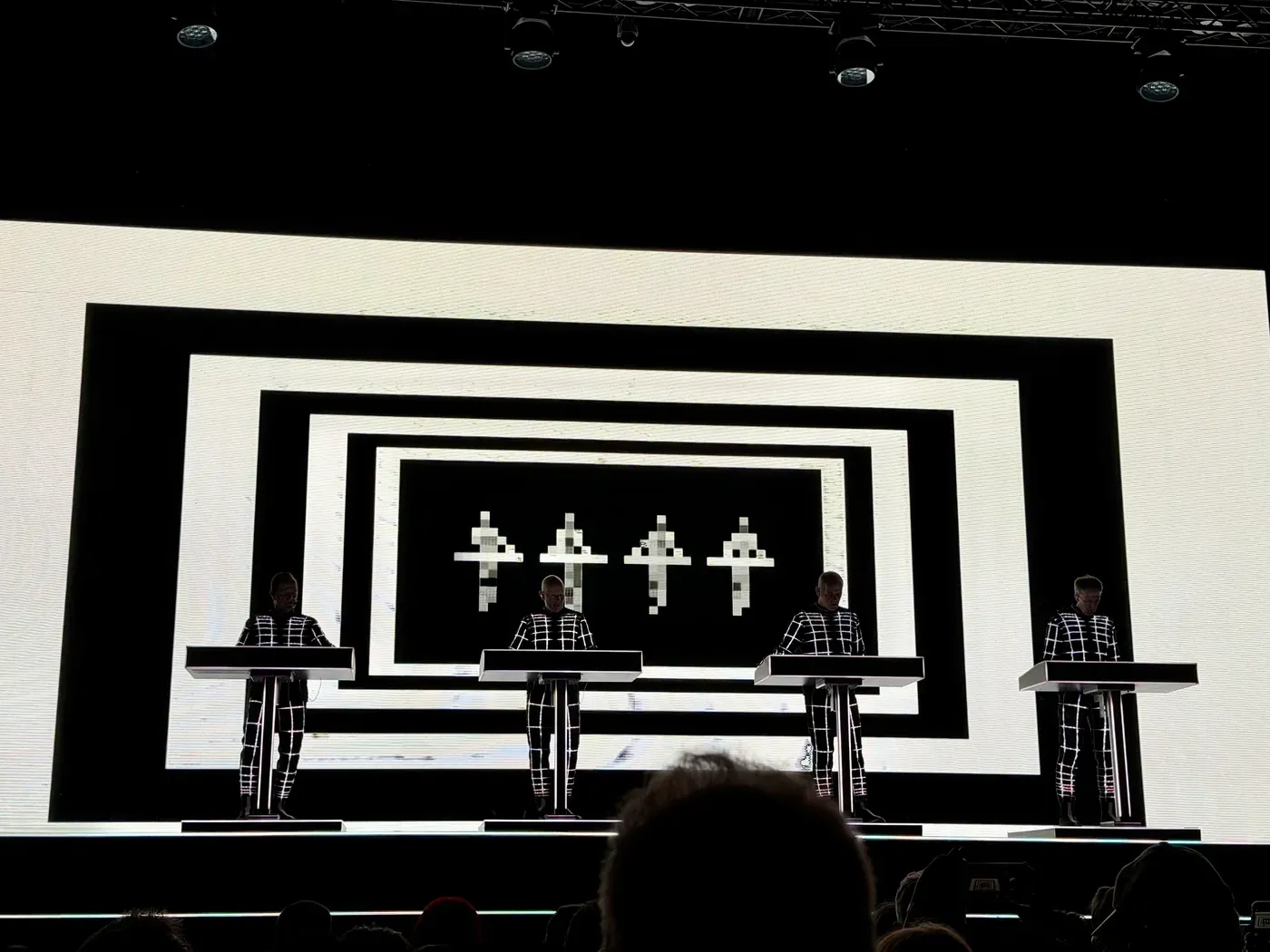
Released in November 1974 on Philips, Autobahn marks the moment Kraftwerk moved from experimental krautrock to the electropop that would change music. The 22 minute title track, with lyrics by Ralf Hütter, Florian Schneider and Emil Schult, takes up most of the record. Recording began at the band's own Kling Klang studio but happened mostly at Conny Plank's, the producer who connects almost every album on this list.
Faust: Faust IV (1973)
Faust were the scene's pranksters and its most radical collagists. Their fourth album, released in 1973 on Virgin, was the last by the original lineup, and the book 1001 Albums You Must Hear Before You Die calls it a krautrock classic. Its opener, "Krautrock," is a nearly 12 minute drone that takes the insult and wears it proudly. The band dissolved soon after and did not return until 1994.
Harmonia: Musik von Harmonia (1974)
Harmonia was a krautrock supergroup before the term made sense: Neu!'s Michael Rother joined Hans-Joachim Roedelius and Dieter Moebius of Cluster. They recorded this debut between June and November 1973 at Cluster's studio in the village of Forst, producing it themselves with a primitive mixer and three tape recorders, and Brain Records released it in January 1974. It is gentle, melodic and quietly revolutionary.
Get Musik von Harmonia on vinyl
Cluster: Zuckerzeit (1974)
Cluster's third album, co-produced by Rother and released on Brain in 1974, swaps the duo's abrasive early sound for something rhythmic and almost pop. The title means "sugar time," and the tracks are short, playful electronic sketches that sound decades ahead of their time. It still turns up on lists of the decade's best albums.
Tangerine Dream: Phaedra (1974)
Recorded at The Manor in Oxfordshire in November 1973 and released by Virgin on 20 February 1974, Phaedra was the first Tangerine Dream album built on sequencers, and its pulsing sound is considered a foundation of the Berlin School. It reached number 15 in the UK albums chart with virtually no airplay, on word of mouth alone, while selling barely 6,000 copies in Germany. Fans of the electronic side of this list should go here next.
Amon Düül II: Yeti (1970)
The oldest record here is also the most psychedelic. Released as a double LP in April 1970, Yeti mixes short songs with long improvisations, and it remains one of the cornerstones of both the band's career and the entire krautrock movement. It is heavier and wilder than anything else on this list, and a reminder of the scene's countercultural roots.
How to listen
These records were made to be played loud and played whole, so put on headphones or a proper stereo and resist the urge to skip. Most of them have been reissued on vinyl and are easy to find. And if you would rather hear them on a great system with other people, our guide to finding a real listening bar is a good place to start. For the studio tools that shaped this era's sound, see our piece on the Roland RE-201 Space Echo, and for the British descendants of these records, revisit The Orb.
Start with "Hallogallo," keep driving, and do not look back.
More in our Electronic Music Labels hub.



.jpg?ref=unknowndivide.com)


