
Most record labels are remembered for a sound. Warp Records is remembered for refusing to keep one. The Sheffield label started as a record shop in 1987, put out its first single in 1989, and became the home of bleep techno before most of the world knew what that was. Then it did the opposite of what dance labels were supposed to do: it bet on albums and on artists with long careers instead of one-off club hits. That bet produced the most influential catalog in electronic music, and a few detours into rock, R&B and jazz-damaged hip-hop that still make sense once you hear how they connect.
The catalog is deep enough to scare off newcomers. These ten albums are the cleanest way in, in roughly chronological order, with each one chosen because it changed what Warp was, not just because it is famous.
Unknowndivide may earn a commission from purchases made through links in this guide. As an Amazon Associate we earn from qualifying purchases.
1. LFO: Frequencies (1991)
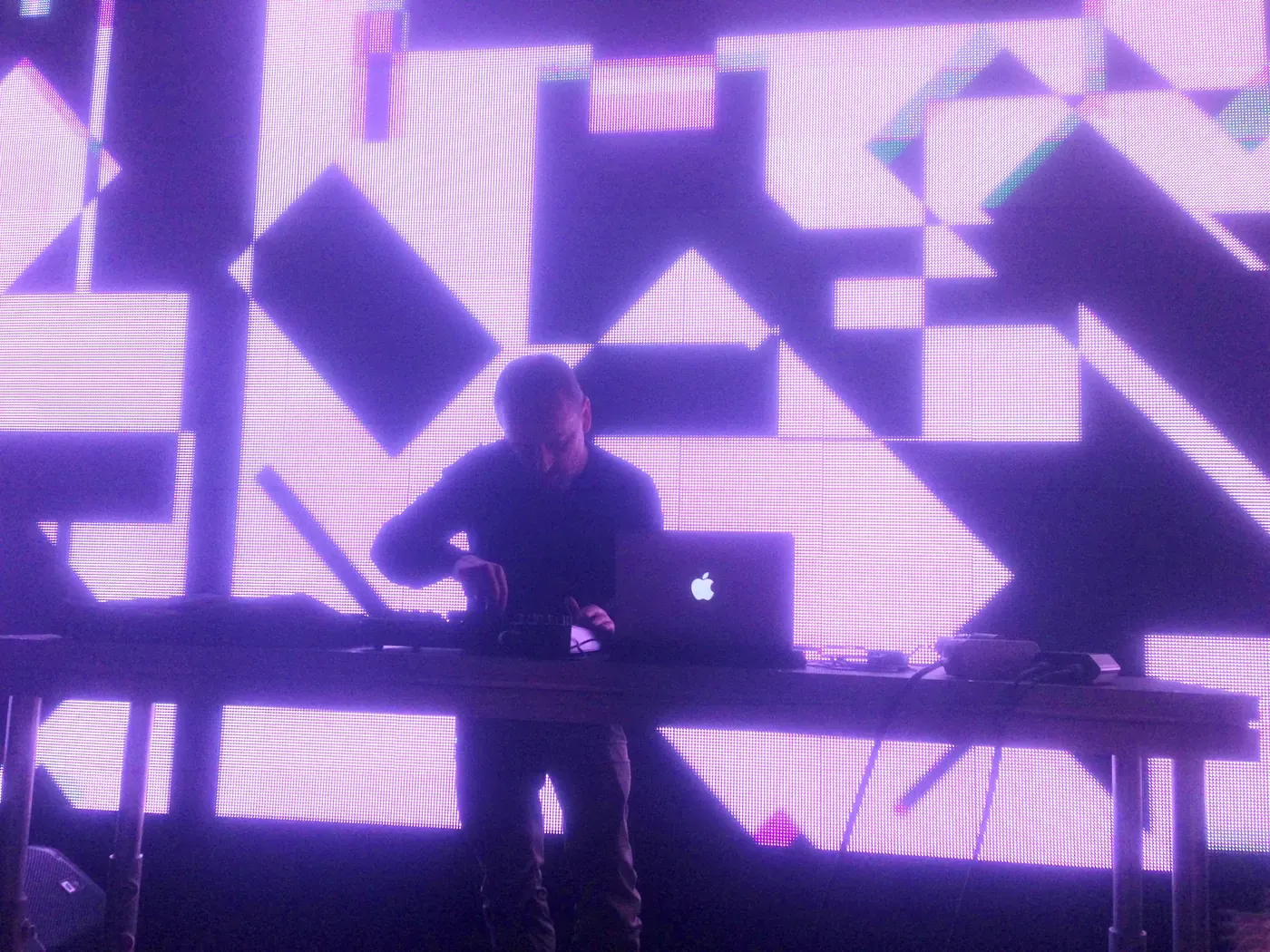
Start where the label found its first voice. LFO, the Leeds duo of Mark Bell and Gez Varley, made bleep techno that sounded like it was built in a garage out of test equipment, and their debut album arrived on Warp in July 1991. It reached No. 42 on the UK Albums Chart, which is remarkable for a record this stripped down. The sub-bass is the point. Frequencies explains why early Warp records were mastered to rattle sound systems, and why the label's later turn toward the living room felt like such a swerve. See Frequencies on Amazon.
2. Various Artists: Artificial Intelligence (1992)
This compilation, released in July 1992, is the record that gave the label its identity. It opened Warp's Artificial Intelligence series and helped create what people would later, awkwardly, call intelligent dance music: electronic music made for headphones and home stereos rather than the club. The series also launched long-form albums from the people on it. The Black Dog's Bytes, credited to Black Dog Productions, followed in March 1993 and went straight to No. 1 on the UK dance albums chart. The group is still working today, as Unknowndivide covered with their recent album Feral Grace. See Artificial Intelligence on Amazon.
3. Aphex Twin: Selected Ambient Works Volume II (1994)
A common mistake: the first Selected Ambient Works came out on Apollo, not Warp. Volume II, released in March 1994, is the Warp debut, and it is far stranger. Richard D. James stripped out nearly all the beats, left most tracks untitled, and represented them with photographs and pie charts. He likened the album to standing in a power station on acid. It entered the UK Albums Chart at No. 11 and split critics down the middle on release. Three decades later it is the record people put on when they want to hear what ambient music sounds like when it is genuinely unsettled rather than relaxing. For the other end of his career, read Unknowndivide on the 25th anniversary reissue of Drukqs. See Selected Ambient Works Volume II on Amazon.
4. Autechre: Tri Repetae (1995)
Autechre are the band most likely to lose a casual listener, so start them in the right place. Tri Repetae, their third album, came out in November 1995 and moved away from the softer tones of Incunabula and Amber toward rhythms that feel machined from metal. It is still accessible, with real grooves under the abrasion, and it is regularly named among the most influential electronic albums ever made. If it clicks, everything they did afterwards becomes a long, rewarding argument with this record. See Tri Repetae on Amazon.
5. Squarepusher: Hard Normal Daddy (1997)
Tom Jenkinson's first album as Squarepusher for Warp came out in April 1997 and sounds like a jazz fusion bassist who fell into a jungle rave and refused to leave. The drum programming is hyperactive, but the bass playing is human and melodic, which is why the record has aged better than much of the drill and bass it inspired. It landed on year-end lists at the time, and it still shows up on lists of the greatest IDM albums. See Hard Normal Daddy on Amazon.
6. Boards of Canada: Music Has the Right to Children (1998)
If one Warp album has crossed over into general culture, it is this one. Released in April 1998 in the UK through Warp and Skam, the debut from the Scottish brothers in Boards of Canada was made at their own Hexagon Sun studio in the Pentland Hills. Vintage synths, degraded tape, found sounds and hip-hop drums add up to something that sounds like a half-remembered educational film. "Roygbiv," embedded above, is the shortest route to the feeling. The duo ended a long silence this year, and Unknowndivide broke down how they did it in its review of Inferno. See Music Has the Right to Children on Amazon.
7. Broadcast: Haha Sound (2003)
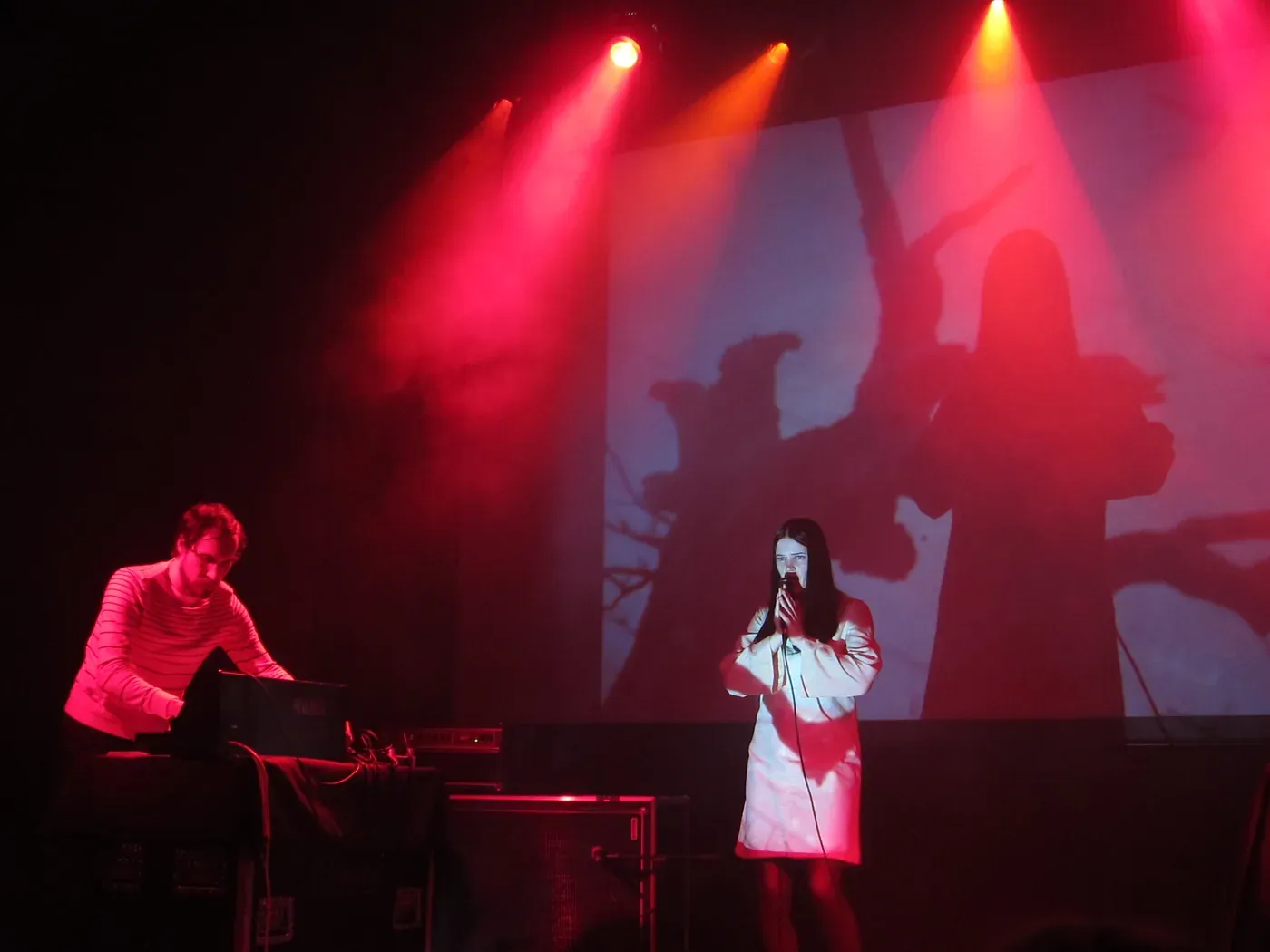
Warp's first great swerve away from purely electronic music. Broadcast, led by Trish Keenan and James Cargill, filtered 1960s psychedelic pop and library music through analog electronics and a fascination with old soundtracks. Haha Sound, released in August 2003, became their first charting album in the US, reaching the top 10 of Billboard's dance and electronic albums chart. The stripped-back Tender Buttons (2005) is the natural follow-up once this one sinks in. See Haha Sound on Amazon.
8. Battles: Mirrored (2007)
The record that proved Warp could sign a rock band without diluting anything. Battles played math rock with the precision of a sequencer, and Mirrored, released in May 2007, was the first time they put prominent vocals on their songs, pitched and processed until they sounded like cartoon machinery. The single "Atlas" is the entry point. The album landed on major year-end lists, which tells you how far the label's reach had grown. See Mirrored on Amazon.
9. Flying Lotus: Cosmogramma (2010)
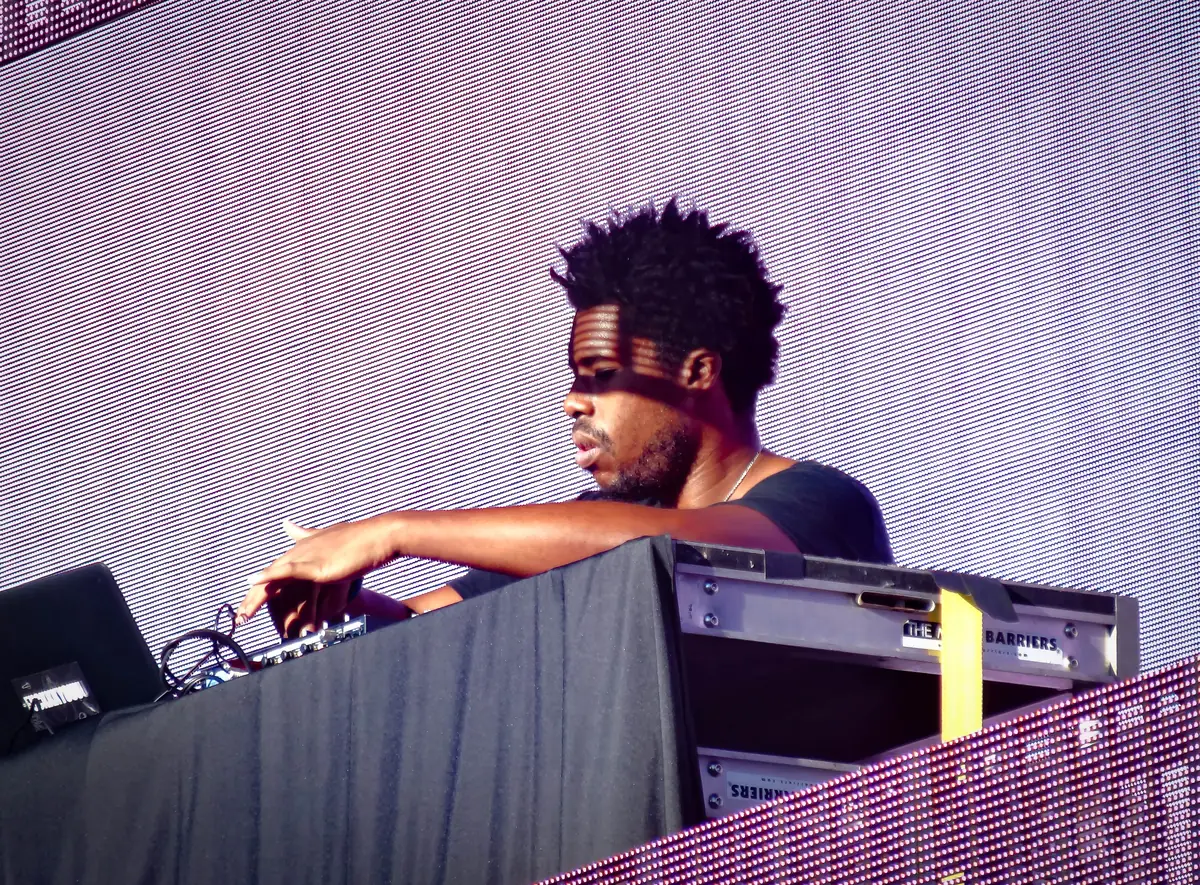
Steven Ellison's third album as Flying Lotus is where Warp's lineage met Los Angeles beat music and spiritual jazz. Recording began in his apartment in October 2008, right after the death of his mother, and the album is dense with grief, live strings and harp, and guest spots from Thom Yorke, Ravi Coltrane and Thundercat. It is maximalist where early Warp was minimal, but the attitude is the same: make the record nobody asked for, and make it whole. See Cosmogramma on Amazon.
10. Kelela: Take Me Apart (2017)

The modern Warp album that best shows where the label landed. Kelela's debut, released in October 2017, fused R&B songwriting with club production that sounds like it was engineered for the future. It took four years to make and was widely praised for both its production and its vocal performances. Her story continues on Warp with her third album, covered in Unknowndivide's review of New Avatar. See Take Me Apart on Amazon.
Where to go next
Once these ten land, the side roads open up. Aphex Twin's Richard D. James Album (1996) became Warp's best-selling release at the time, passing 100,000 units by 1997. Bibio's Ambivalence Avenue (2009) brought folk guitar and hazy funk into the catalog. Oneohtrix Point Never's Garden of Delete (2015) took on grunge, nu metal and adolescence. The full catalog lives in Warp's official discography.
The common thread is not a genre. It is a label that kept trusting artists to make full-length statements long after the industry stopped asking for them, and three decades later the albums are still the reason anyone cares.
More in our Electronic Music Labels hub.




_on_stage_in_Moscow.JPG?ref=unknowndivide.com)


.jpg?ref=unknowndivide.com)
