
Unknowndivide may earn a commission from purchases made through links in this post.
When people ask which black and white film to start with, Ilford HP5 Plus is usually near the top of the list. It is an ISO 400 panchromatic negative film with classic grain, wide exposure latitude and a look that works for street, portrait and documentary work. Ilford manufactures it in 35mm, 120 and large sheet sizes, which means the same tonal character can follow you from a compact body to a medium format camera.
What Ilford HP5 Plus 400 is
HP5 Plus is a traditional cubic grain black and white film rated at ISO 400. It is designed to deliver usable shadow detail and controlled highlights across a range of lighting. Ilford publishes technical data sheets for development times in common developers on ilfordphoto.com. The film is available as single rolls and multipacks, which helps if you shoot often enough to buy in volume.
Compared with slower fine grain stocks, HP5 shows more visible grain when enlarged, especially in 35mm. That grain is part of the look rather than a flaw. Compared with specialty high speed films, it stays manageable for everyday metering.
Look, latitude and pushing
HP5 responds well to careful over and underexposure. Many photographers rate it at 320 or 200 for denser negatives, or push to 800 and 1600 when light falls. Push processing increases contrast and grain; pull processing softens contrast. Learn one developer first, such as a standard Ilford chemistry, before you chase exotic soup combinations.
The tonal scale suits cloudy street days and indoor available light. For bright beach sun you may prefer a slower film, but HP5 can still work with a lens stopped down or with neutral density if needed.
Cameras that suit HP5
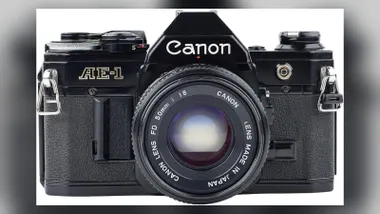
Any reliable 35mm body will do. Classic SLRs like the Canon AE-1 Program make teaching exposure easy. Compact cameras such as the Olympus Stylus Epic style point and shoots also love a 400 speed film for indoor snapshots. Medium format shooters get finer apparent grain on 120 because of the larger negative.
Carry a spare roll in a small messenger and keep film out of hot glove compartments. Heat ages film faster than modest X ray exposure on most consumer scanners, though repeated strong scans are still worth avoiding when you can request hand checks.
Why photographers keep HP5 around
- One stock for many situations. ISO 400 covers daylight and dim rooms.
- Forgiving when you meter imperfectly. Latitude saves imperfect days.
- Widely lab friendly. Most black and white labs know HP5 times.
- Consistent supply. Easy to reorder when you find a look you like.
Editing contact sheets late at night goes well with quiet albums such as Place In Time and Simulation. The film already carries texture; soft music keeps the session from feeling rushed.
Development notes
Follow Ilford's published times for your developer, temperature and agitation style. Consistency matters more than chasing a magic combination. If you home develop, keep a notebook of dilution, time and temperature so you can repeat successes. If you send film out, tell the lab the EI you shot at when you pushed or pulled.
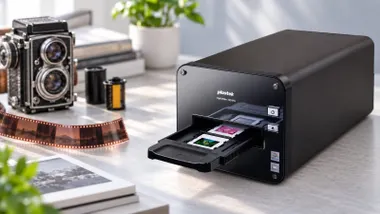
Scan with enough resolution to hold grain structure without oversharpening. Overzealous sharpening turns HP5 grain into sparkle that distracts from the print.
HP5 versus other ISO 400 stocks
Kodak Tri-X is the other classic 400 speed name. Many photographers describe Tri-X as a bit snappier in contrast while HP5 feels slightly smoother in midtones, though developer choice can erase those stereotypes. T-Max 400 is a tabular grain film with a different, often cleaner look. Try one roll of each before you commit to a favorite; the internet cannot meter your light for you.
If you shoot both 35mm and 120, keeping HP5 in both formats simplifies your mental model. You learn one film's personality and carry it across cameras. That consistency matters more than chasing a new emulsion every month.
Store unopened film cool and dry. Refrigeration helps for long storage; let cold film warm in its sealed canister before you open it so moisture does not condense on the surface. Shoot dating matters less for black and white than for color, but extremely expired HP5 can still shift contrast, so test a roll before an important trip.
Print or scan with a gentle hand. HP5 already has texture. Adding heavy digital grain overlays on top of real film grain usually looks busy rather than evocative.
More from the makers: www.ilfordphoto.com · www.ilfordphoto.com.
Where to buy
For more film, cameras and darkroom topics, visit our Leica and film photography hub.