Most labels grow by chasing the next sound. Kranky grew by refusing to hurry. The Chicago label was founded in 1993 by Joel Leoschke and Bruce Adams, two people with long backgrounds in the music business, and its first album release was Labradford's debut. More than three decades later it is still putting out ambient, drone, post-rock and slowcore records that ask for patience, and it has never needed a hit to justify itself. If one label defines the idea that slow music can be radical, it is this one.
These ten records are the best way into the catalog, from the 1990s post-rock that built the label to the ambient landmarks that made it essential. Where an album had a different label in another region or format, that is noted.
Unknowndivide may earn a commission from purchases made through links in this guide. As an Amazon Associate we earn from qualifying purchases.
1. Labradford: Prazision LP (1993)
Where it all began. Labradford, from Richmond, Virginia, released Prazision LP in October 1993 as Kranky's first album, and its slow guitar, analog synth drones and murmured vocals set the tone for everything after. It sounds like a band playing rock music with the rock taken out. Kranky reissued it in 2007 with an extra track from the band's first single.
2. Bowery Electric: Beat (1996)
New York's Bowery Electric, formed by Lawrence Chandler and Martha Schwendener, fused shoegaze guitars with the loops and heavy, slow breakbeats of trip-hop. Beat, released by Kranky in November 1996, is the label at its most nocturnal and its most surprising, and the cover uses Catherine Opie's photograph of a California freeway. It is the album to play for anyone who thinks Kranky only makes beatless music.
3. Pan American: Pan American (1998)
Labradford's Mark Nelson began recording as Pan American in 1997, and the self-titled debut arrived on Kranky in 1998. It moved the Labradford sound toward dub-inflected electronics, all deep low end and patient space. Nelson is still on the label more than a quarter century later, and Unknowndivide covered his latest chapter in Pan American: Fly the Ocean in a Silver Plane.
4. Godspeed You! Black Emperor: Lift Your Skinny Fists Like Antennas to Heaven (2000)
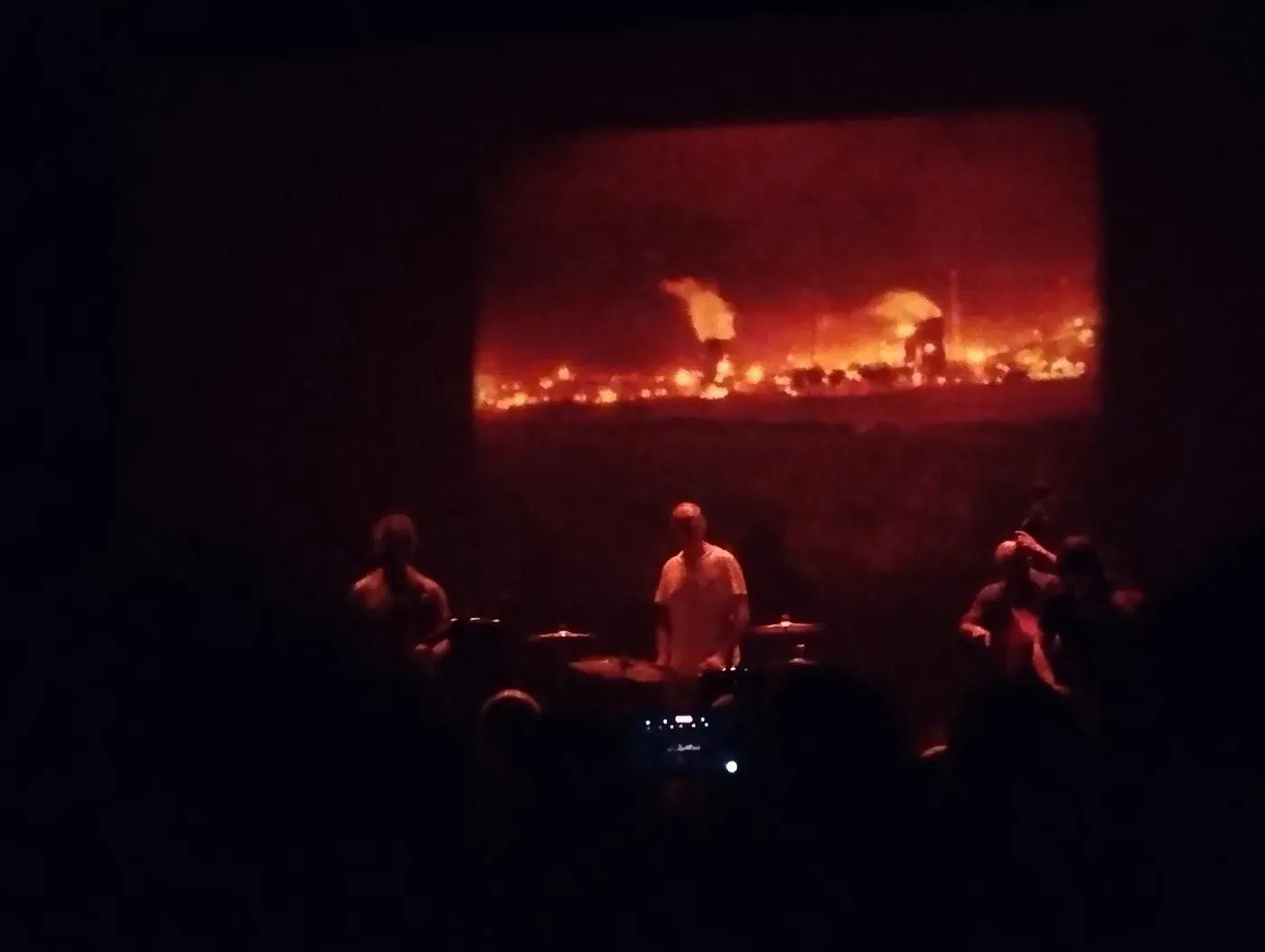
The Montreal collective is a Constellation band, but Kranky released the CD editions of its first two albums, including this one, in October 2000. It consists of four 20-minute pieces built from instrumental crescendos and field recordings, and it is routinely named among the best albums of its decade. It belongs on any Kranky list because it shows the label's role in bringing post-rock to a wider audience.
Get Lift Your Skinny Fists Like Antennas to Heaven on vinyl
5. Low: Things We Lost in the Fire (2001)
Low, the Duluth band built around the married duo of Alan Sparhawk and Mimi Parker, pioneered slowcore: quiet harmonies, melancholy and tempos that feel like held breath. Things We Lost in the Fire, released on Kranky in January 2001, is the band's most beloved record, and "Sunflower," embedded above, is the way in. The band ended after Parker's death in 2022, which makes these songs hit even harder now.
Get Things We Lost in the Fire on vinyl
6. Stars of the Lid: And Their Refinement of the Decline (2007)
Kranky's 100th release and one of the defining ambient records of the century. Brian McBride and Adam Wiltzie, who formed the project in Austin in 1992, built it from treated guitar, piano, strings and horns into slow, classical drone. It came out in April 2007 as a double CD and a triple LP. After McBride's death in 2023, Wiltzie became the project's only member.
Get And Their Refinement of the Decline on CD
7. Deerhunter: Cryptograms (2007)
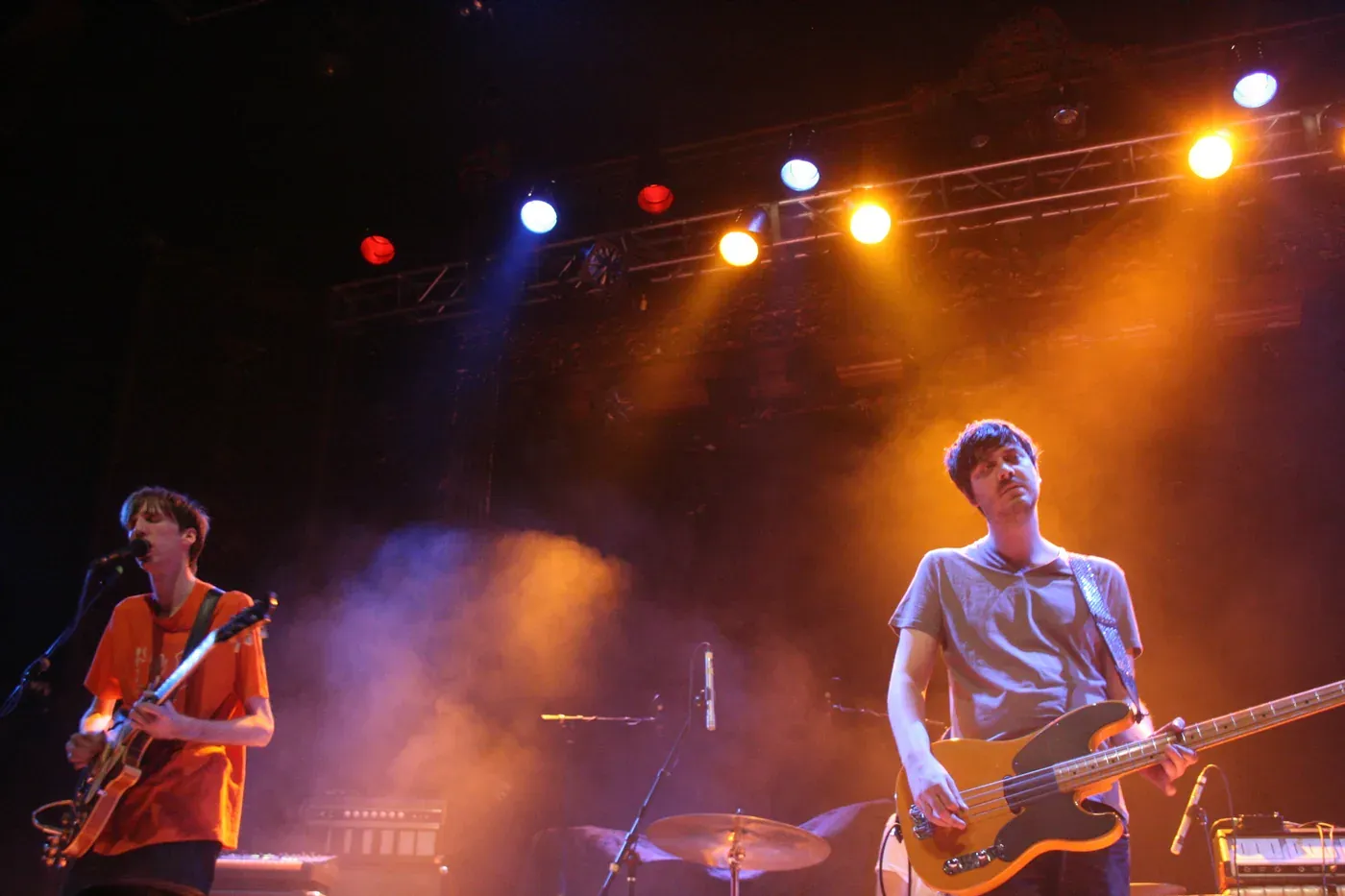
Atlanta's Deerhunter called themselves "ambient punk," and Cryptograms, released on Kranky in January 2007, shows exactly what that means. After a failed first session in New York, the band recorded the final version in two separate day-long sessions months apart, so the album splits into an ambient first half and a tighter, poppier second. The follow-up, Microcastle (2008), came out on Kranky in the US and 4AD in Europe and is the easier entry point. Both are on the band's Bandcamp.
8. Loscil: Endless Falls (2010)
Vancouver's Scott Morgan named Loscil after the looping oscillator function in the Csound programming language, which tells you something about his precise, textural approach. Endless Falls, released on Kranky in March 2010, is a gentle, rain-soaked album of submerged pulses and slow-motion melody, and the best introduction to a long, consistent run on the label.
9. Tim Hecker: Ravedeath, 1972 (2011)
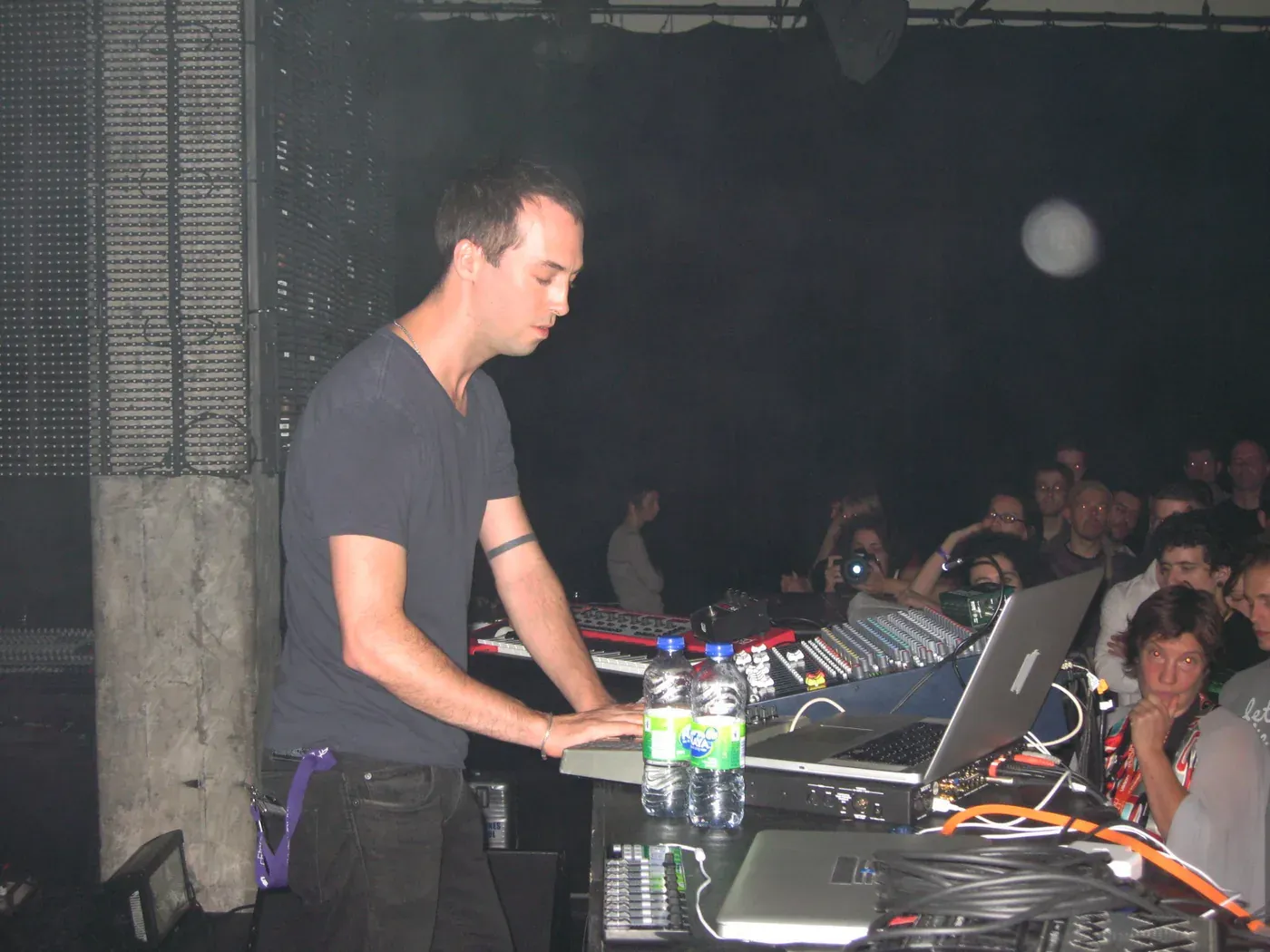
Recorded largely in a church in Reykjavík around its pipe organ, Tim Hecker's sixth album, released by Kranky in February 2011, turns the instrument into a wall of beautiful distortion. Hecker called it a hybrid of a studio and a live record. It is widely regarded as his finest work, and Unknowndivide went deep on it in Tim Hecker: Ravedeath, 1972.
10. Grouper: Ruins (2014)
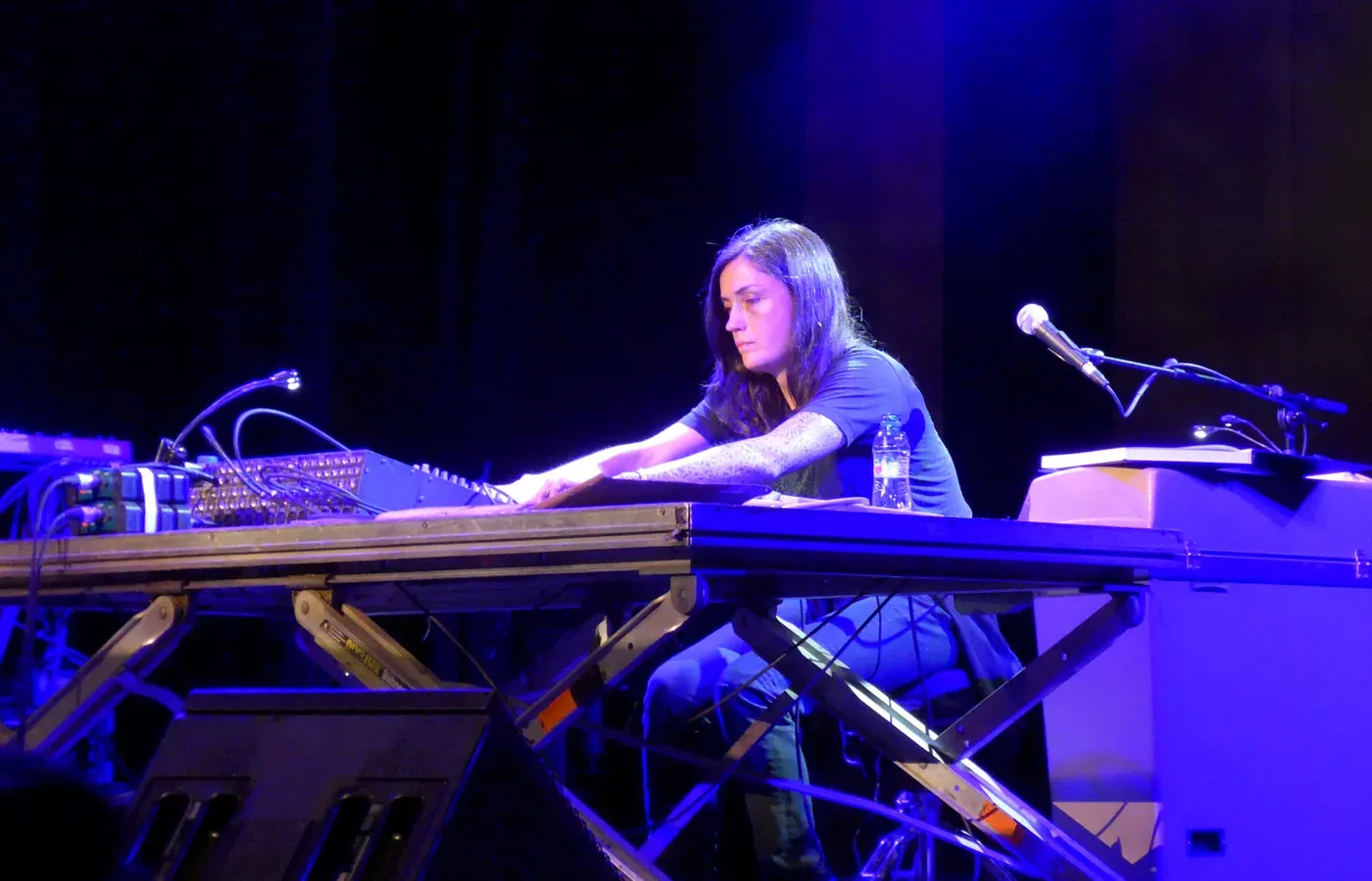
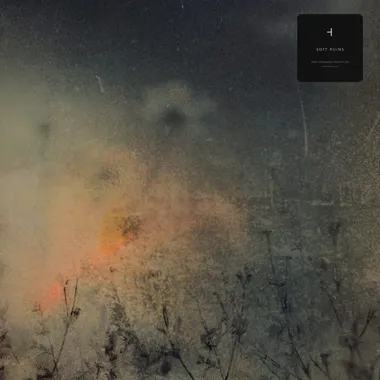
Liz Harris has released music as Grouper since 2005, and her Kranky albums are some of the most intimate records the label has issued. Ruins, released on Kranky in October 2014, is built around piano and voice and sounds like it was recorded in an empty house at the edge of the world. For more of her foggy guitar side, try The Man Who Died in His Boat (2013), a Kranky collection of outtakes from the sessions for Dragging a Dead Deer Up a Hill.
Where to go next
The full catalog lives on Kranky's Bandcamp and the label's own site at kranky.net. Fans of the label's slow-building, cinematic side should also try Nashville's Hammock, whose album Unknowndivide reviewed in Hammock: The Second Coming Was a Moonrise. For drones built from acoustic instruments, Driftwood's Maps on Brisbane's Room40 is a close cousin.
Kranky never asked for attention. It just kept releasing records worth giving it to.
More in our Electronic Music Labels hub.




.jpg?ref=unknowndivide.com)

