
Shoegaze began as an insult. In 1991, music executive Andy Ross used the word to describe the band Moose, and the British music press adopted it as a sneer at groups who stood motionless on stage, staring down at the effects pedals at their feet. The genre got the last laugh. The records those bands made, all ethereal noise, buried vocals and guitars processed until they stopped sounding like guitars, have outlived nearly everything that mocked them, and a new generation has turned shoegaze into one of the most influential sounds of the streaming era.
These ten albums cover the genre's roots, its brief early-1990s peak and its unlikely second life. They are in roughly chronological order.
Unknowndivide may earn a commission from purchases made through links in this guide. As an Amazon Associate we earn from qualifying purchases.
1. The Jesus and Mary Chain: Psychocandy (1985)

Before shoegaze had a name, the Scottish band the Jesus and Mary Chain worked out its central trick: bury a perfect pop melody under a storm of guitar feedback. Psychocandy, released in November 1985, reached No. 31 in the UK and gave the world "Just Like Honey." It is harsher than what followed, but every band on this list learned from it.
2. Cocteau Twins: Heaven or Las Vegas (1990)
The other ancestor. Cocteau Twins were built on Robin Guthrie's guitar washes and Elizabeth Fraser's voice, which often sang words that are more texture than language, and together they defined the dream pop side of the genre. Released on 4AD in September 1990, Heaven or Las Vegas is the band's most accessible album, brighter and more structured than their earlier work, and the easiest door into their world. If you want the earlier, stranger Cocteau Twins, Treasure (1984) is next.
Get Heaven or Las Vegas on vinyl
3. My Bloody Valentine: Isn't Anything (1988)
The debut album from My Bloody Valentine, released on Creation Records in November 1988, is where the genre's sound really arrived. Its guitar and production techniques consolidated the experiments of the band's earlier EPs, it topped the UK independent chart, and it is regularly credited as a pioneering shoegaze record. It is wilder and more physical than its successor, and many fans prefer it.
4. My Bloody Valentine: Loveless (1991)
The genre's masterpiece and one of the most mythologized albums ever made. Kevin Shields led sessions between February 1989 and September 1991, experimenting with his "glide guitar" technique, unusual tunings and sampling across nineteen different studios. The rumored cost of £250,000 has become legend, though Shields disputes the figure. Released in November 1991, it sounds like nothing before or since. Listen on good headphones, loud.
5. Ride: Nowhere (1990)
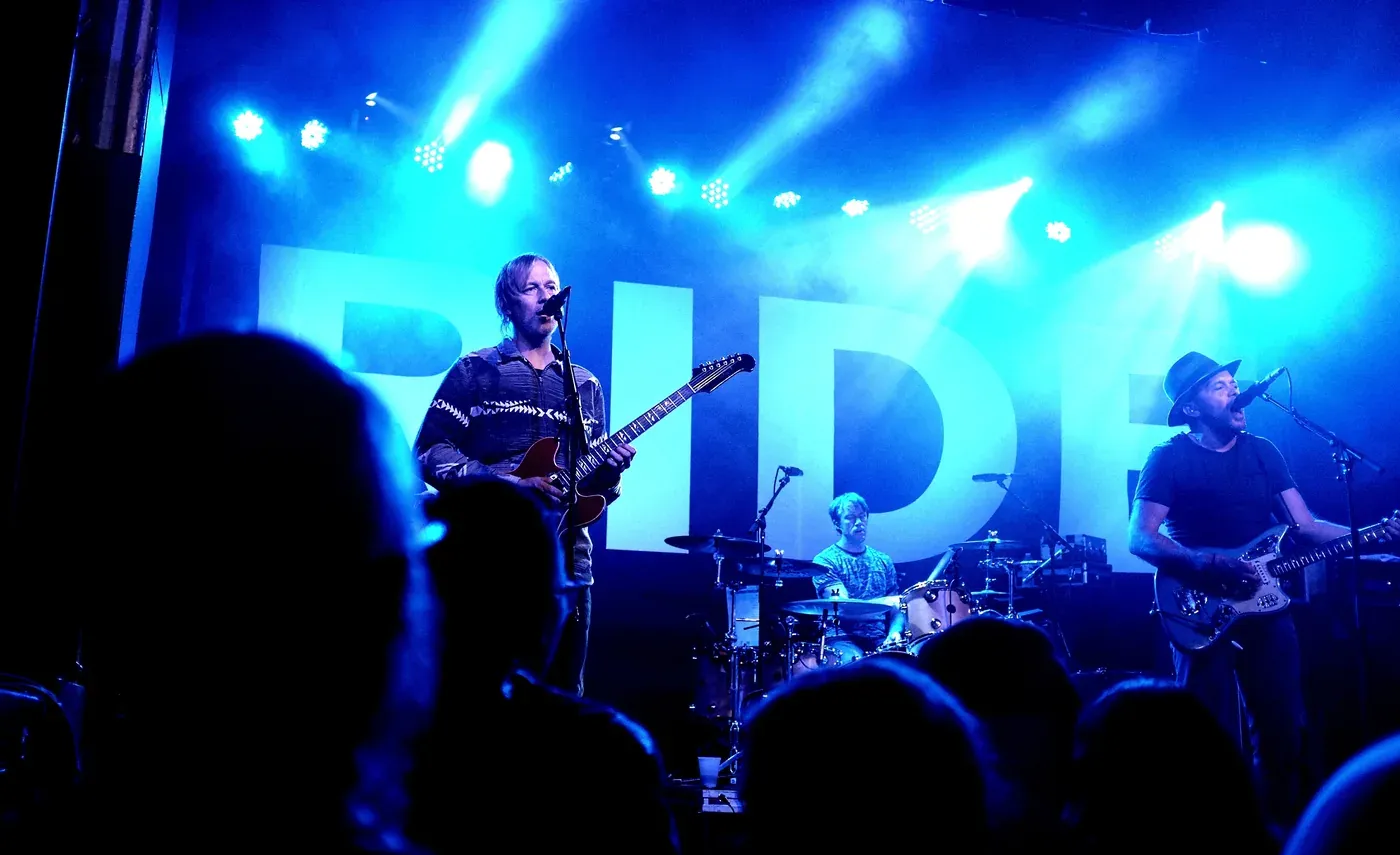
Oxford's Ride were the scene's great rock band, all crashing drums and boyish harmonies under the noise. Their debut, released in October 1990, is widely acclaimed as one of the best shoegaze albums. The follow-up, Going Blank Again (1992), went to No. 5 in the UK and later went gold, proof that the genre briefly had real commercial power.
6. Chapterhouse: Whirlpool (1991)
The scene was deep, and Chapterhouse's debut, released in April 1991 on Dedicated Records, shows how far beyond the big names it went. Whirlpool adds a hint of dance-music rhythm to the haze, a reminder that early-1990s Britain was as obsessed with rave as with guitars. It is a perfect second-tier discovery for anyone who has worn out the classics.
7. Catherine Wheel: Ferment (1992)
Released in 1992 on Fontana and produced by Tim Friese-Greene and John Lee, Catherine Wheel's debut combined shoegaze with alternative rock and neo-psychedelia. It was not a big hit at the time but has been embraced by critics and fans in the decades since, and its heavier sound makes it a bridge to the American bands who picked up the genre later.
8. Slowdive: Souvlaki (1993)
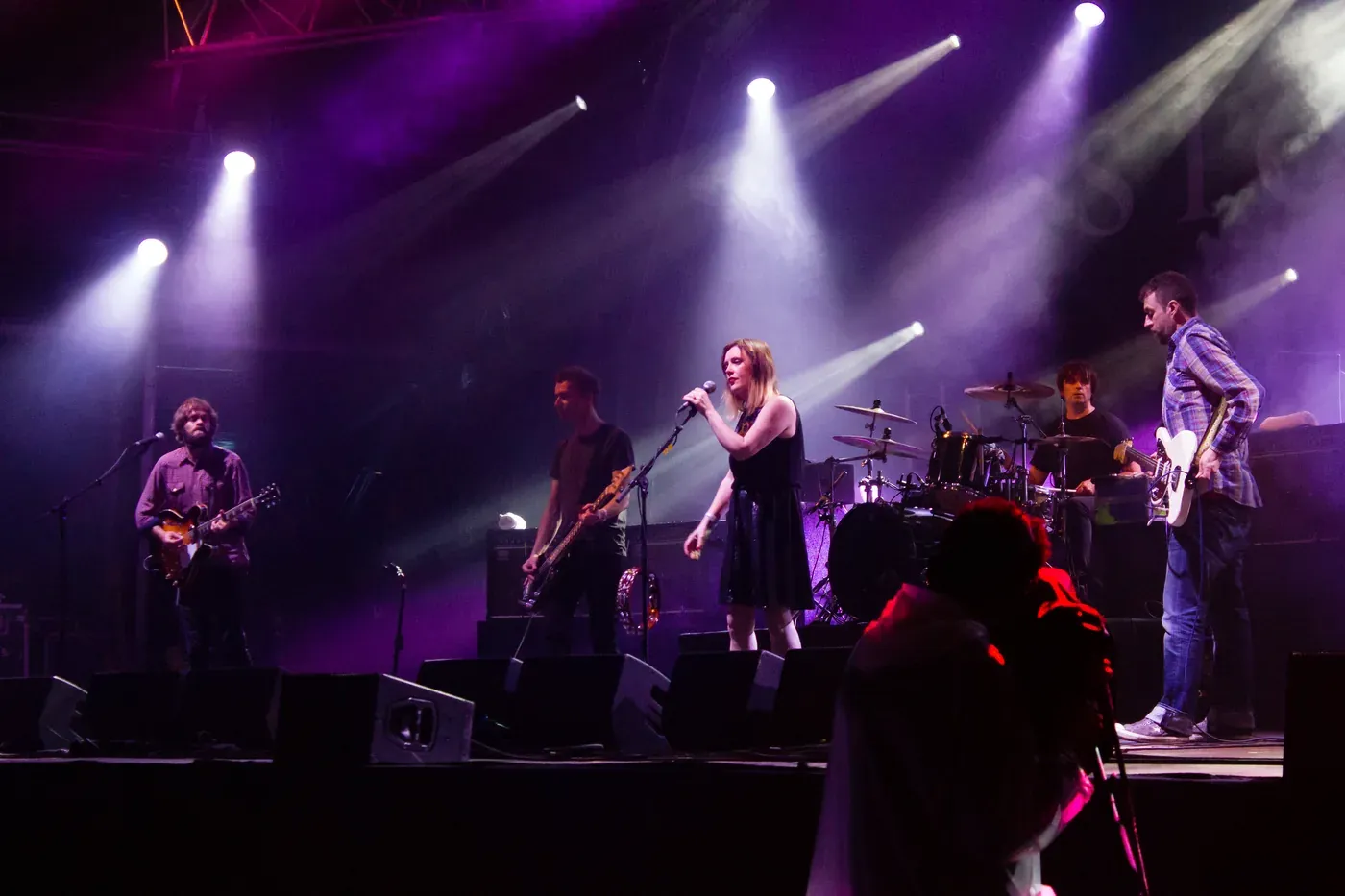
Few albums have enjoyed a reversal like this one. Released on Creation in June 1993, Souvlaki peaked at No. 51 in the UK and drew lukewarm reviews. It is now hailed as a genre classic, and "Alison," embedded above, is one of shoegaze's defining songs. When Slowdive split, Neil Halstead and Rachel Goswell went on to form Mojave 3, whose story Unknowndivide told in its review of the Ask Me Tomorrow remaster.
9. Swervedriver: Mezcal Head (1993)
Swervedriver were the genre's road-movie band, with riffs built for driving rather than drifting. Mezcal Head, released in September 1993 on Creation in the UK and A&M in the US, is their strongest album and the one to play for people who think shoegaze is too soft.
10. Slowdive: Slowdive (2017)
The reunion record that proved shoegaze's second life was real. Released on Dead Oceans in May 2017, it was Slowdive's first studio album in 22 years, following 1995's Pygmalion, and it sounded neither nostalgic nor dated. Its success helped open the door for the wave of young bands who now treat shoegaze as a living language rather than a museum piece.
How to listen
Shoegaze punishes cheap speakers. The genre's magic lives in the space between layers: a vocal you half hear, a guitar that swells from nowhere, a drum fill buried a little too deep. Earbuds and phone speakers flatten all of that into mush. Use decent headphones or a proper stereo, play the albums front to back, and turn them up further than feels polite. Many of these records were made to be heard at volume, and the sound changes character as it gets louder.
Original pressings of the classics are expensive, but most of these albums have been reissued on vinyl in recent years, often remastered from the original tapes.
Where to go next
Shoegaze bled into ambient and post-rock, and many of today's slow-building instrumental acts carry its DNA. Nashville's Hammock, often tagged as shoegaze among other things, is a good bridge, as Unknowndivide explored in Hammock: The Second Coming Was a Moonrise. For the band at the center of it all, mybloodyvalentine.org carries their catalog.
The bands were told to look up. Thirty-five years later, everyone else is looking down at their pedals.
More in our Electronic Music Labels hub.




.jpg?ref=unknowndivide.com)


