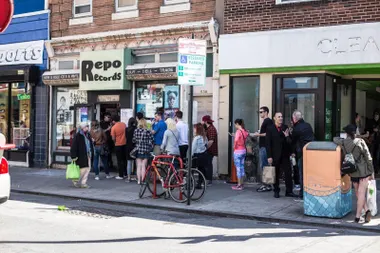

No brand has done more to turn shopping into a sport than Supreme. Every week during the season, a new batch of clothing, accessories and the occasional absurd object goes on sale, and much of it is gone within minutes. Lines form outside stores, browsers are refreshed on the dot, and the best pieces reappear on resale sites at several times their retail price before the original buyers have even received a shipping notice.
If you have ever wondered how it actually works, or tried to buy something and watched it sell out in your cart, here is a plain-language guide to Supreme's release model and how to shop it.
Unknowndivide may earn a commission from purchases made through links in this guide.
Where Supreme came from
In April 1994, Supreme opened on Lafayette Street in downtown Manhattan. By the brand's own account it became the home of New York City skate culture, staffed and shopped by neighborhood kids, skaters and local artists, and it drew in punks and hip-hop heads alongside them. Founder James Jebbia started with clothing and skate decks made in small runs for that crowd. Limited quantities suited a small skate shop, and it became the brand's defining feature as the audience grew from a few blocks of downtown to the entire world. You can read Supreme's own short history on its site; today its New York store is at 190 Bowery, with shops in cities including London, Paris and Tokyo.
Seasons, previews and lookbooks
Supreme works in two seasons a year, Spring/Summer and Fall/Winter. Each one opens with a preview on the brand's website that shows much of the season's product, followed by a lookbook that shows how the brand wants it worn. The preview is your shopping list, but it is not a schedule: most items do not have announced release dates, so you will see a jacket in the preview weeks or months before it actually goes on sale.
How weekly drops work
Once the season starts, Supreme releases new product weekly, usually on Thursdays in the US and Europe. According to Supreme's FAQ, the online shop generally updates at 11 a.m. local time in New York, London and Japan. The same products land in stores, where lines can start long before opening. The brand's newsletter is the official way to hear about releases, and the FAQ is blunt about the rest: products are sold first come, first served, items can sell out while you are checking out, and restocks happen only on occasion.
There are a few rules worth knowing before your first drop. You can only buy one style per product, so it is one colorway of a hoodie, not three. Your billing and shipping addresses must match, a fraud check that trips up a lot of first-timers. The US web store ships to the United States, Canada and Mexico. And many categories, including T-shirts, hats, skateboards, bags, accessories and shoes, cannot be returned or exchanged, so check the sizing chart before you click.
Collaborations are the main event
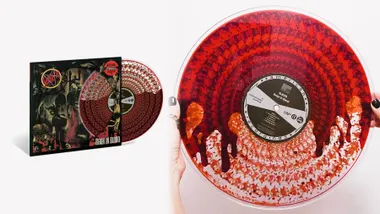
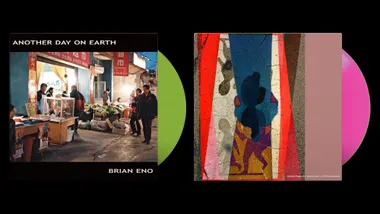
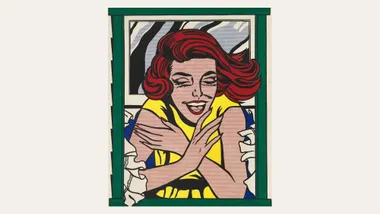
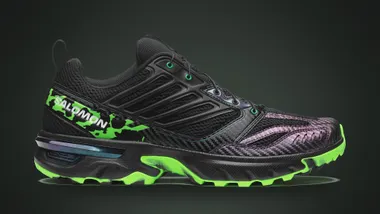
Supreme's biggest days are usually collaboration drops. The brand has worked for decades with Vans, The North Face and Timberland, and it pairs with everyone from sportswear giants to artists and musicians. Some of the partnerships we have covered show the range: the Supreme x Jordan leather jacket and capsule, the Supreme x Aphex Twin collection built around Aphex Twin's artwork and imagery, and even a Supreme x mophie wireless charger. That last one is a good example of the other Supreme tradition: branded everyday objects, from bricks to fire extinguishers, that turn the red box logo into a joke and a collectible at once. If the music side of that Aphex Twin collaboration is new to you, start with our Aphex Twin starter guide.
Who owns Supreme
For most of its history Supreme was privately held. In November 2020, VF Corporation, the owner of Vans, The North Face and Timberland, announced a deal to buy the brand for a base price of $2.1 billion, with Jebbia and his leadership team staying on in New York. Four years later VF sold it again: on 2 October 2024, EssilorLuxottica, the eyewear group behind Ray-Ban and Oakley, completed its purchase of Supreme for $1.5 billion in cash. Through both deals the weekly drop model has stayed the same.
How to shop a drop
- Study the preview. Decide what you actually want and in which size before the season starts, so you are not deciding under pressure.
- Sign up for the newsletter. It is the only official source of release alerts.
- Be ready at 11 a.m. Have your account details correct and your billing and shipping addresses matching.
- Pick one item. Chasing several hyped pieces at once is the fastest way to end up with none.
- Be patient with resale. Prices often spike right after a drop and settle later, and fakes are common, so buy only from sellers you trust.
- Ask for stickers. Every web order comes with a couple of box logo stickers, and the FAQ still explains how to get five by mail with $5 cash and a self-addressed stamped envelope.
Go deeper
The best way to understand the brand's long run of graphics and collaborators is through its own books. Supreme, published by Rizzoli, covers the early years, and the later Supreme book from Phaidon collects decades of photography, product and artwork. They are a lot easier to get than a box logo hoodie on a Thursday morning.
More in our Sneakers & Style hub.