
Unknowndivide may earn a commission from purchases made through links in this post.
Universal Audio is best known for high end studio hardware and its Apollo interfaces. In 2021 the company launched Volt, a line of affordable USB interfaces for home recording. The Volt 2 is the two channel model, sized for a desk and aimed at singers, guitarists, podcasters and producers who want good sound without complexity.
What the Volt 2 is
The Volt 2 is a 2 in, 2 out USB-C audio interface. It has two combination inputs on the front that accept microphones, line level sources and instruments, along with 48V phantom power for condenser microphones. Around the back you get balanced monitor outputs, MIDI in and out on five pin DIN, and a USB-C port. A headphone output with its own level control sits on the front. It records at up to 24 bit and 192 kHz and works with macOS, Windows and iOS devices.
It can run from USB bus power for a simple setup, and a direct monitor switch lets you hear your input with no delay while recording.
Vintage mic preamp mode explained
The feature that sets Volt apart is the Vintage button on each channel. Universal Audio says it is based on its classic 610 tube preamp, which has been on countless records. Press it and the preamp adds gentle harmonic colour and a fuller midrange. It is subtle rather than dramatic, but on vocals, acoustic guitar and bass it can make a dry recording sound more finished before any processing.
You do not have to use it. Leave it off for a clean, neutral signal, then decide later in the mix if you want character. Having both options in a small box is useful when you are still learning what you like.
Volt 2 vs Volt 1 and the larger models
The Volt 1 is the single input version, fine for solo voice work but limited if you want to record guitar and vocals at once. The Volt 2 adds a second input and MIDI. The 76 models add a built in compressor based on the 1176, which can help tame peaks on vocals. If you record a single source at a time and do not need MIDI, the Volt 1 saves money. For most home studios, the Volt 2 is the better long term choice.
Who the Volt 2 suits
- Singer songwriters. Record vocal and guitar together on separate channels.
- Podcasters. Two microphones for interviews, with clean gain for most condensers.
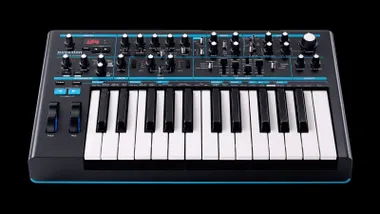
- Electronic producers. MIDI ports let you connect a synth directly, such as the Novation Bass Station II, without a separate MIDI interface.
One caution: dynamic broadcast microphones like the Electro-Voice RE20 need a lot of gain. The Volt 2 can drive them for loud sources, but for quiet speech you may want an inline gain booster for the lowest noise.
Software and setup
Volt is class compliant on Mac, so it works without a driver, while Windows uses a driver from Universal Audio. It ships with a bundle of recording software and plugins that varies over time, so check the official page for what is currently included. Any modern recording software works with it, including Ableton Live, Logic Pro, Pro Tools, Cubase, FL Studio, Bitwig, Studio One and Reaper.
Set your buffer size low while tracking and higher while mixing. Use the direct monitor switch to avoid latency when singing. Leave headroom on input levels, aiming for peaks well below the top of the meter. Simple habits like these matter more than any feature list.
Is the Volt 2 worth buying
For a first serious interface, the Volt 2 is easy to recommend. It is sturdy, simple and sounds clean, with the Vintage mode adding a touch of character that many entry level interfaces lack. It will happily anchor a small studio for years. Recording slow, layered music, the kind heard on E-J-R-M Pathways or Tineidae Simulation, only needs a reliable signal path, and this provides one.
Where to buy
Volt 2 at Universal Audio
Universal Audio Volt 2 USB Audio Interface
Universal Audio Volt 1 USB Audio Interface
For more interfaces, microphones and recording guides, explore the home studio hub.