
Hasselblad sells two cameras built around the same 100 megapixel medium format sensor, and they could hardly be more different to hold. The X2D II 100C is a modern camera with a grip, an electronic viewfinder, in-body stabilization and the brand's newest autofocus. The 907X and CFV 100C is a slim silver box that you look down into from above, like the square-format film Hasselblads of the 1950s and 1960s, and its digital back can come off and clip onto one of those old film cameras. Both cost more than most people spend on a car repair, both make the same size file, and the choice between them is really a choice about how you want to take pictures.
The quick answer
- Buy the X2D II 100C if you want a medium format camera you can use like any good mirrorless body: handheld, at eye level, in low light, with continuous autofocus that can follow a person or a car.
- Buy the 907X and CFV 100C if you shoot slowly, love waist-level framing, or already own (or want to own) a classic Hasselblad V System film camera that the back can turn digital.
- Skip both if you need speed. Neither is a sports or wildlife camera, and that is not what Hasselblad built them for.
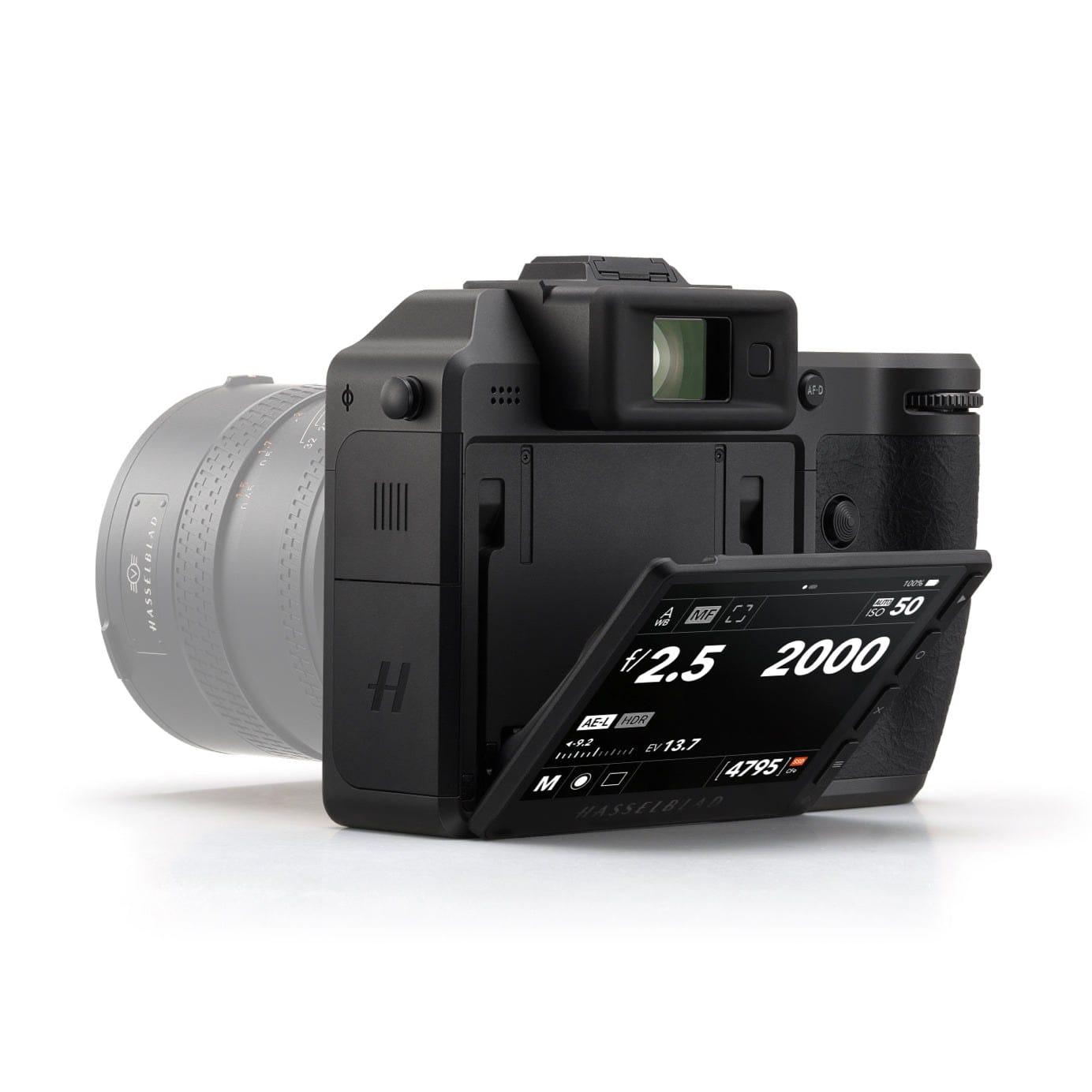
Hasselblad X2D II 100C: the everyday medium format camera
The X2D II is Hasselblad's answer to the old complaint that medium format digital is slow, heavy and fussy. It is machined from aluminum, weighs 840 grams with the battery, and puts a 100 megapixel back-side illuminated sensor (43.8 by 32.9 millimeters, roughly 1.7 times the area of a full-frame sensor) behind a 5.76-million-dot micro-OLED (organic light-emitting diode) electronic viewfinder with 1.00x magnification.
The big upgrades are about getting sharp pictures without a tripod. Hasselblad quotes 10 stops of in-body stabilization at the center of the frame and 8 at the edges, measured with its XCD 120mm macro lens. Autofocus combines phase detection, contrast detection and a LiDAR (light detection and ranging) sensor across 425 phase-detection zones, and the camera now offers continuous autofocus with human, cat, dog and vehicle detection. Read the fine print, though: continuous focus works only with a listed set of newer XCD lenses, such as the 38V, 55V, 90V and the 35-100E zoom, and only with the electronic shutter switched off.
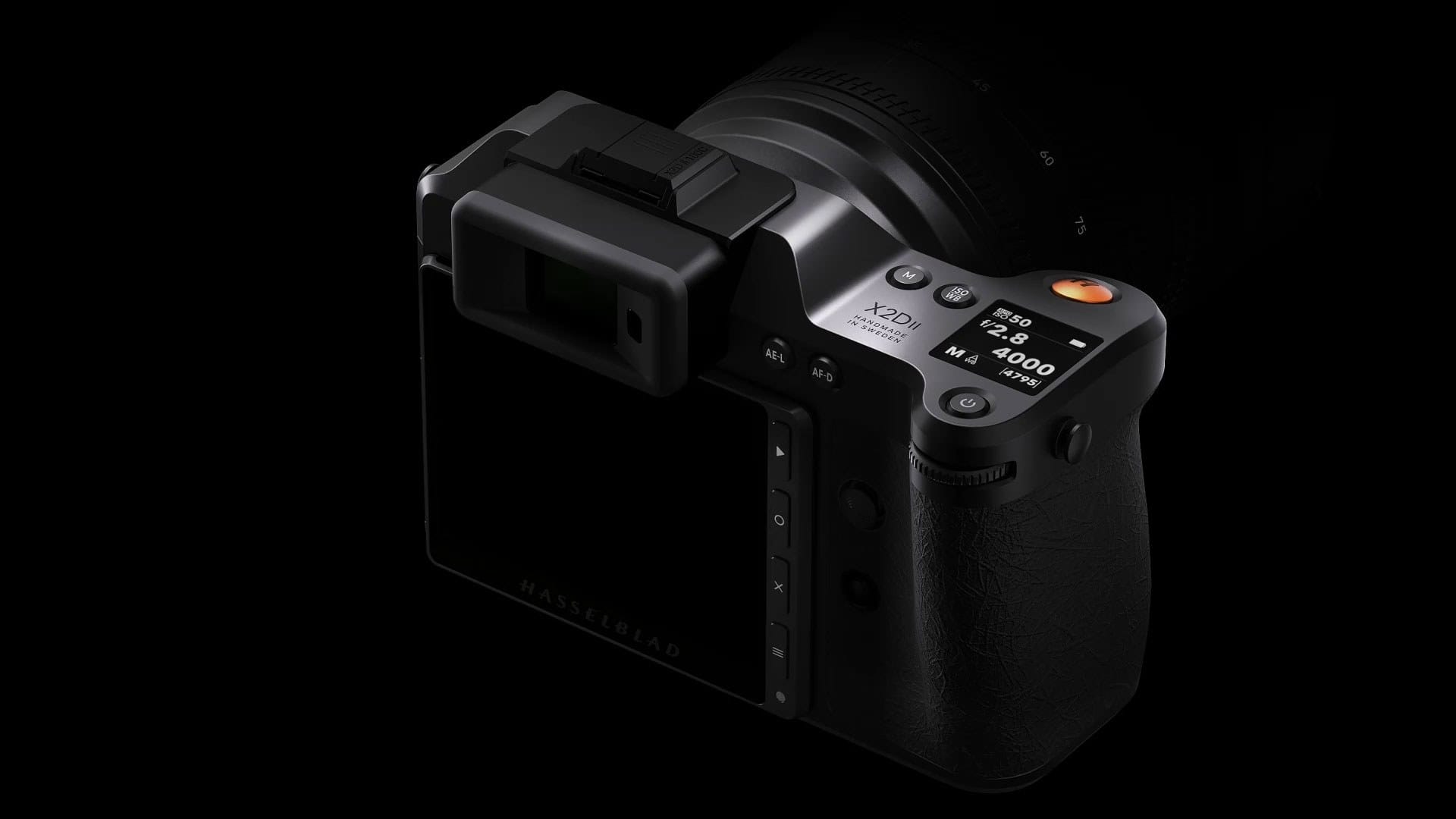
The rest is quietly luxurious. A 3.6-inch OLED touchscreen tilts up 90 degrees for waist-level shooting and down about 43 degrees, peaks at 1,400 nits, and can preview high dynamic range (HDR) photos the way Hasselblad's color processing renders them. There is a 1 terabyte solid-state drive built in, plus a CFexpress Type B slot. Hasselblad promises software updates until the end of 2028.
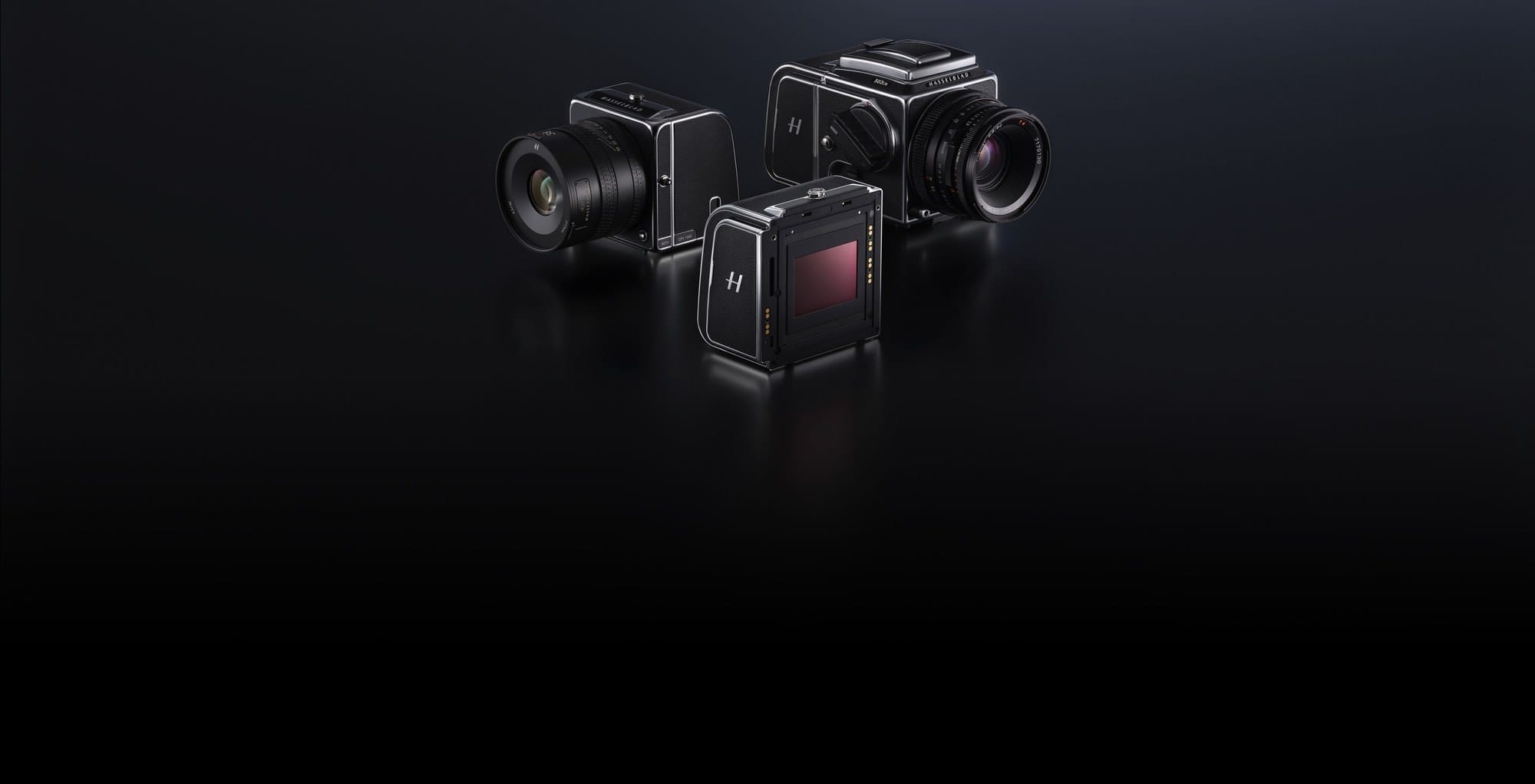
Hasselblad 907X and CFV 100C: the camera that is also a time machine
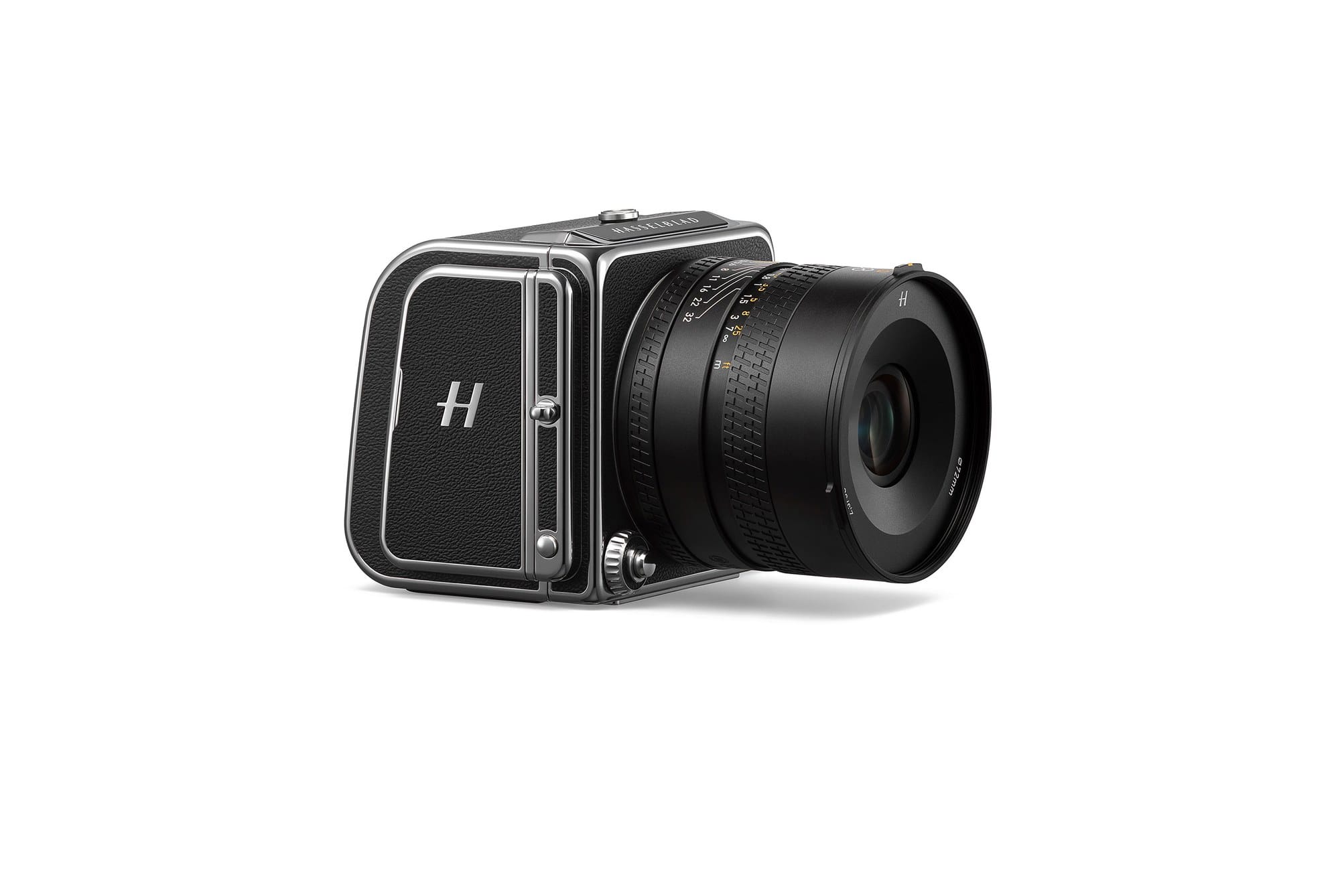
The 907X and CFV 100C is two pieces. The CFV 100C is a digital back with the same 100 megapixel sensor, screen and storage, and the 907X is a 160 gram aluminum body, 28 millimeters thin, that carries the lens mount. Together they weigh 620 grams without battery and card, which makes this the smaller and lighter way into Hasselblad's 100 megapixel files.
Here is the part most people do not know. The CFV 100C back fits virtually every Hasselblad V System camera built from 1957 onward, the original SWC wide-angle camera excepted. That means you can take a decades-old 500-series film body and its Zeiss lens, clip the back on in place of a film magazine, and shoot 100 megapixel digital files through glass made before you were born. Hasselblad also lists flash sync input and output ports and an ELX output for exactly these older bodies.
The trade-offs are real. There is no built-in viewfinder: you compose on a 3.2-inch tilting touchscreen held at your waist, which is lovely for portraits and street work and hard in bright sun. There is no in-body stabilization. Autofocus is single-shot only, with face detection and 294 phase-detection zones. Battery life is rated at 420 shots under the Camera and Imaging Products Association (CIPA) test, which beats the X2D II's 327.
Hasselblad X2D II vs 907X compared
| X2D II 100C | 907X and CFV 100C | |
|---|---|---|
| Price at Hasselblad (United States store) | $7,799 body only | $7,399 body and back |
| Sensor | 100 megapixel back-side illuminated, 43.8 x 32.9 mm | |
| Dynamic range (maker figure) | Up to 15.3 stops | Up to 15 stops |
| Viewfinder | 5.76-million-dot electronic viewfinder | None, waist-level screen |
| Rear screen | 3.6-inch OLED, tilts up and down | 3.2-inch TFT (thin-film transistor), tilts 40 and 90 degrees |
| Stabilization | 10 stops in-body | None |
| Autofocus | Phase, contrast and LiDAR, 425 zones, continuous with subject detection | Phase and contrast, 294 zones, single-shot with face detection |
| Top speed | Up to 3 frames per second | Up to 3.3 frames per second at 14-bit |
| Storage | 1 TB built-in plus CFexpress Type B | |
| Weight | 840 g with battery | 620 g without battery and card |
| Battery (CIPA) | 327 shots | 420 shots |
| Works on vintage V System film bodies | No (V lenses by adapter only) | Yes, the CFV 100C back fits most V bodies from 1957 on |
| Best for | Handheld landscape, travel, portraits, low light | Slow portraits, street, studio, V System owners |
How to choose
Start with the price trap. The 907X looks $400 cheaper, but neither camera ships with a lens, and the 907X has no grip or viewfinder in the box. By the time you add a lens such as the XCD 2,5/38V at $3,699, you are spending over $11,000 for either camera. So money is not the tiebreaker. Your way of shooting is.
If you picture yourself on a hillside at dusk, handheld, waiting for the light, the X2D II is the camera, and its stabilization is the reason. A 100 megapixel sensor shows every tremor of your hands, and 10 stops of correction is the difference between a soft frame and a sharp one at slow shutter speeds. Add the eye-level viewfinder and continuous focus, and it is the one you can hand to anyone who has used a mirrorless camera.
If you picture yourself looking down into a screen while the person in front of you forgets there is a camera at all, the 907X wins. Waist-level shooting changes how people react to you, which is a big part of why the square film Hasselblads made such calm portraits. And if you already own a V System body, or have always wanted one, the CFV 100C is the only route to shooting that camera digitally at this resolution. That is a reason to buy it that no spec sheet can beat. If you are still weighing film against digital, our explainer on 35mm vs 120 film covers what medium format means on the film side.
Our call
Our call: buy the X2D II 100C, unless you own or want a vintage V System camera, in which case buy the 907X and CFV 100C. The X2D II is the more capable camera in almost every way that shows up in your pictures: stabilization, a real viewfinder and autofocus that keeps up with people. For most photographers spending this much, it is the one that gets used every day rather than on special occasions. The 907X is the more romantic camera and the only one that bridges Hasselblad's film past and digital present, and for the right person that makes it the better buy. If you are comparing outside the brand, our Leica Q3 vs M11 vs SL3 guide covers the full-frame side of the same luxury question.
Hasselblad X2D II 100C ($7,799, body): our pick for most photographers, with stabilization, a viewfinder and continuous autofocus. Shop it at Hasselblad
Hasselblad 907X and CFV 100C ($7,399): the pick for waist-level shooters and V System owners. Shop it at Hasselblad
Hasselblad XCD 2,5/38V ($3,699): a natural first lens for either camera, and one of the lenses that supports continuous autofocus on the X2D II. Shop it at Hasselblad
Hasselblad XCD 4/45P ($1,099): the lightest, least expensive way to put glass on either body. Shop it at Hasselblad
More on cameras: see our guide to the Leica M-A vs MP vs M6 and our list of film cameras you can still buy new. More like this: browse every related post in our Leica and Film Photography hub.
Prices are from Hasselblad's United States online store in mid-November 2026 and can change.