
The classic iPod still feels right in the hand, but the hardware around that click wheel has aged. Batteries wear out, hard drives fail, and a 3rd generation model still charges over FireWire. Certain Things, a studio in London, is building a different kind of fix: a replacement motherboard called Sprout that leaves the original case, screen and click wheel in place.
You open the player, lift out Apple's original board, and drop Sprout in. The studio says no soldering is required, and the swap is fully reversible. A screwdriver and a plastic opening tool are enough. Official photographs show the new board seated in a 3rd or 4th generation shell, with a larger battery in the lid, and a slimmer board cut to fit the iPod mini.
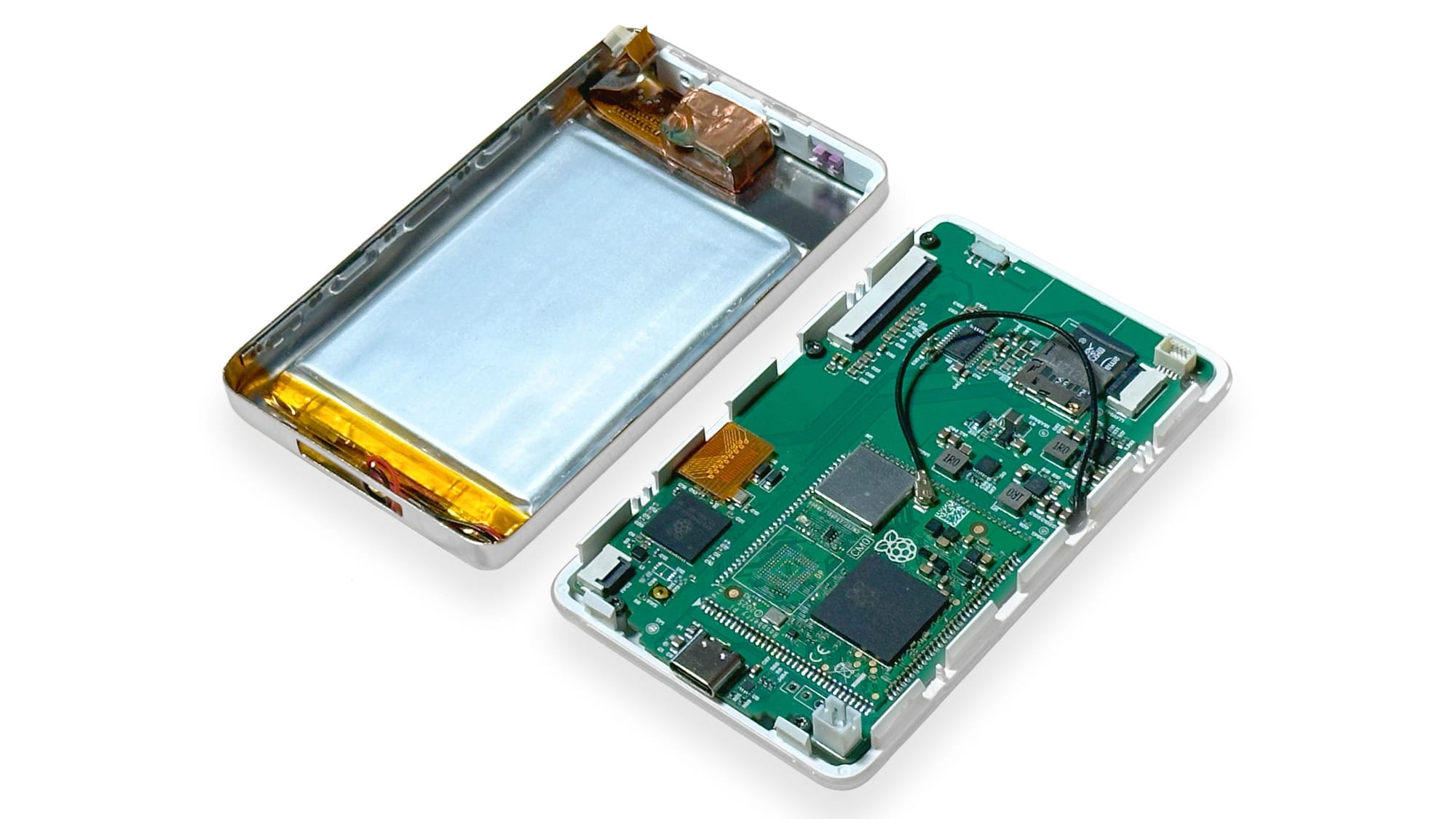
Two boards, and the iPods they fit
Sprout comes in two versions. Both add Bluetooth audio, Wi-Fi, a hi-fi DAC through the original 3.5 mm jack, USB-C for charging and file transfer, digital audio over USB-C, and a microSD slot that holds up to 2 TB. Certain Things says a 2 TB card can hold around 500,000 songs. The supported formats are MP3, AAC, ALAC, FLAC and Opus.
Sprout Pico is built around the Raspberry Pi RP2350. It is meant for your own library: local music, podcast downloads over Wi-Fi, and listening over Bluetooth or a cable. The official campaign page says it turns on instantly.
Sprout Pi keeps that RP2350, then adds a Raspberry Pi Compute Module Zero. Under the click-wheel interface, it is a Linux computer, so it can run custom apps. This is the version intended for music streaming from Spotify and Apple Music, and for streaming podcasts. Certain Things describes those streaming features as working proofs of concept as of September 2026, and notes that services change their APIs often, so availability at launch may differ. AirPlay on Sprout Pi sits in the same proof-of-concept group. On the studio site, AirPlay on Pico, and casting to Google Cast speakers on both boards, are still listed as in development.
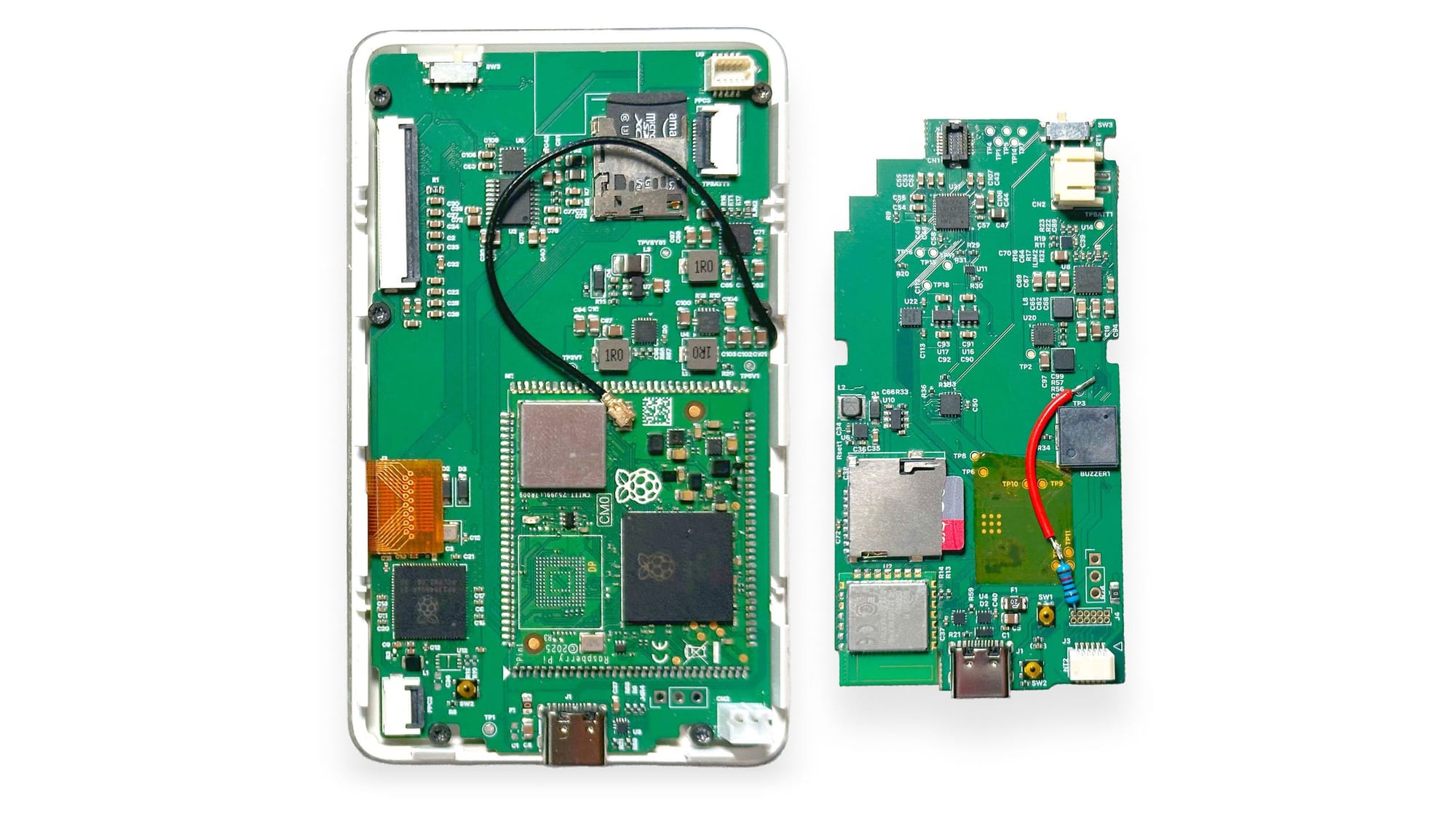
The fit list is specific. Sprout works with the iPod mini (1st and 2nd generation), the iPod 3rd generation, and the monochrome iPod 4th generation. Sprout Pico covers all three. Sprout Pi is for the 3rd and 4th generation models only. If you have a mini, Pico is the board.
The DAC is a Cirrus Logic CS43131, or a similar part, driving the original headphone jack. That matters if you still prefer a cable. For a primer on how wired headphones differ, see our guide to open-back versus closed-back headphones. Bluetooth is there for AirPods and other wireless headphones. USB-C also carries digital audio out, and it can pass inline remote controls.
The software is written from scratch to behave like the original interface, including Cover Flow, Podcasts and Search. Battery life is still a target, not a shipping figure: about 40 hours of continuous Bluetooth playback on a 3rd or 4th generation iPod with a 2,500 mAh cell, and about 20 hours on an iPod mini with a 1,200 mAh cell, based on prototype testing.
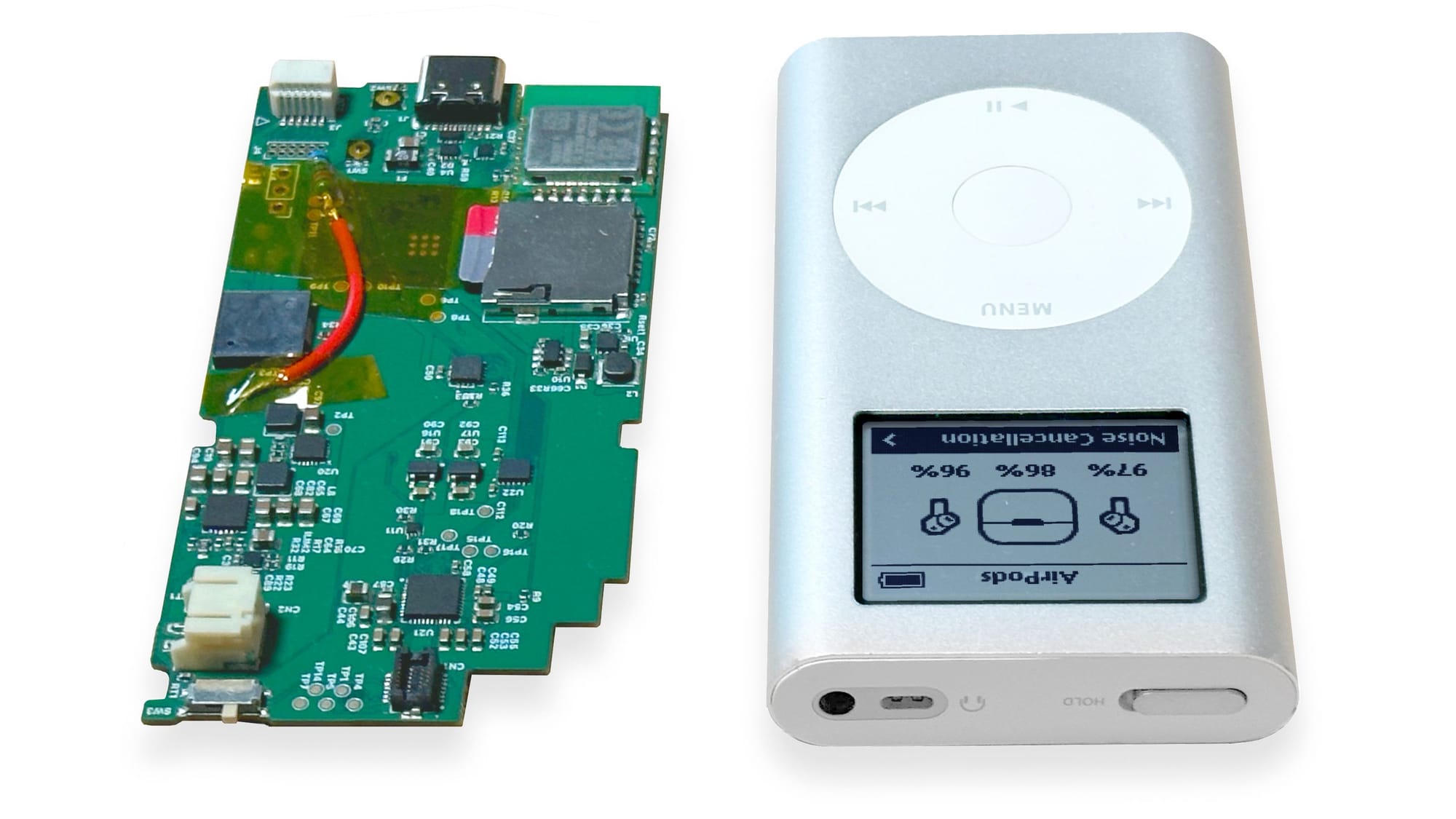
On the mini, the new board replaces the old dock connector with USB-C, which sits on the bottom edge next to the headphone jack and Hold switch. That is the same kind of quiet update Sony made when it brought USB-C to the MDR-3R Walkman headphones.
Not for sale yet, and open by design
Sprout is not on sale, and pre-orders are not open. Certain Things points buyers to its Crowd Supply campaign page, which is still marked as launching soon. You can sign up there to be notified when the campaign starts.
The project is planned as open source hardware and software. Schematics, board layouts and the bill of materials are to be licensed under CERN-OHL-S v2. Firmware, software and the Sprout Pi runtime are to be licensed under MPL-2.0. Documentation, including reverse-engineering notes on the iPod display, click wheel and headphone connectors, is to be licensed under CC BY 4.0. Certain Things says those files will be published on GitHub before the campaign ends. As of this writing, the public repository is not up yet.
Our call: wait. Sprout is a sharp idea, especially if you already have a 3rd generation, monochrome 4th generation, or iPod mini and want Bluetooth and USB-C without giving up the click wheel. Until the Crowd Supply campaign is live, and until the shipping feature list is confirmed, there is nothing to buy. If local files are the point, Pico is the simpler board and the only option for the mini. If streaming is the reason you would choose Sprout Pi, wait to see what actually ships.